


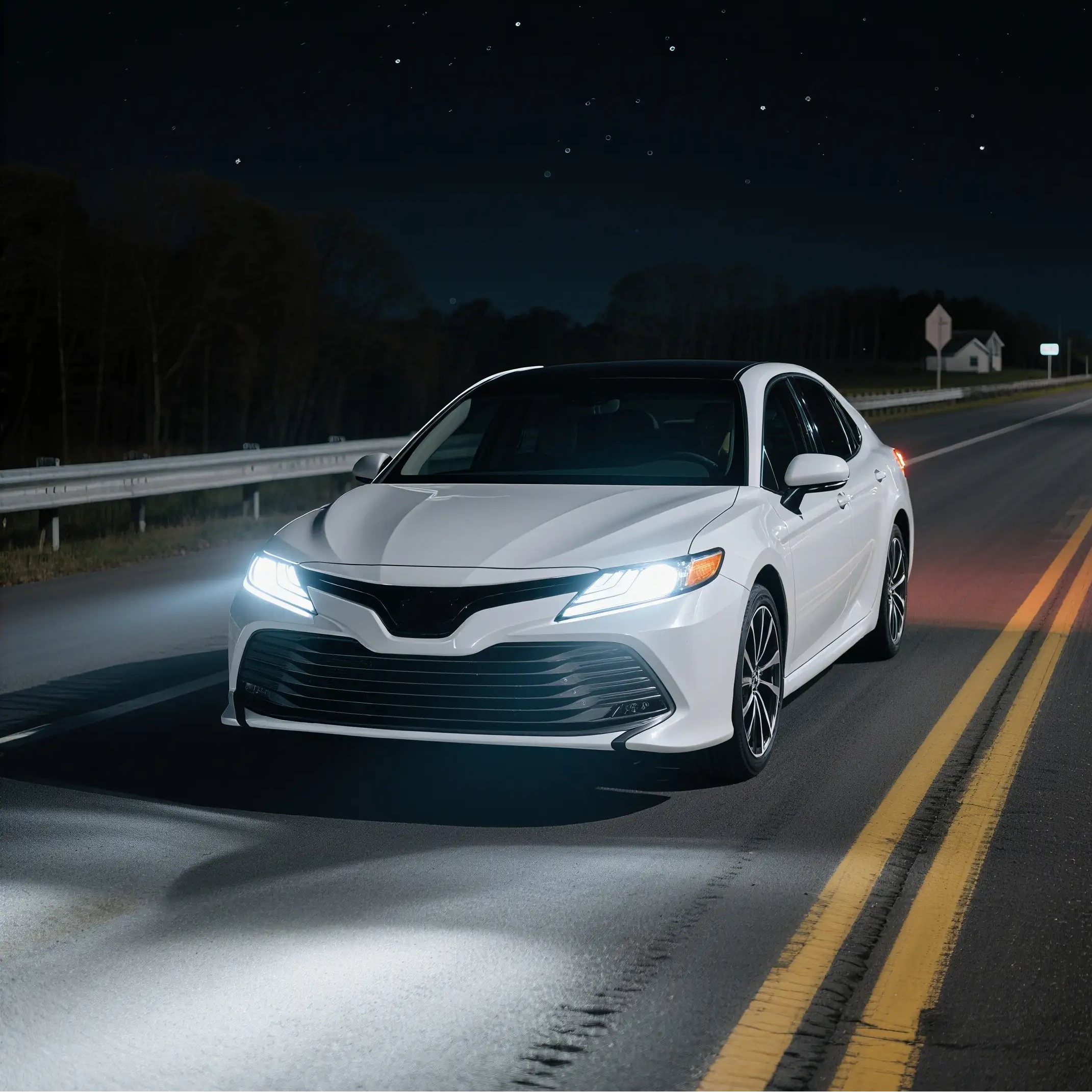
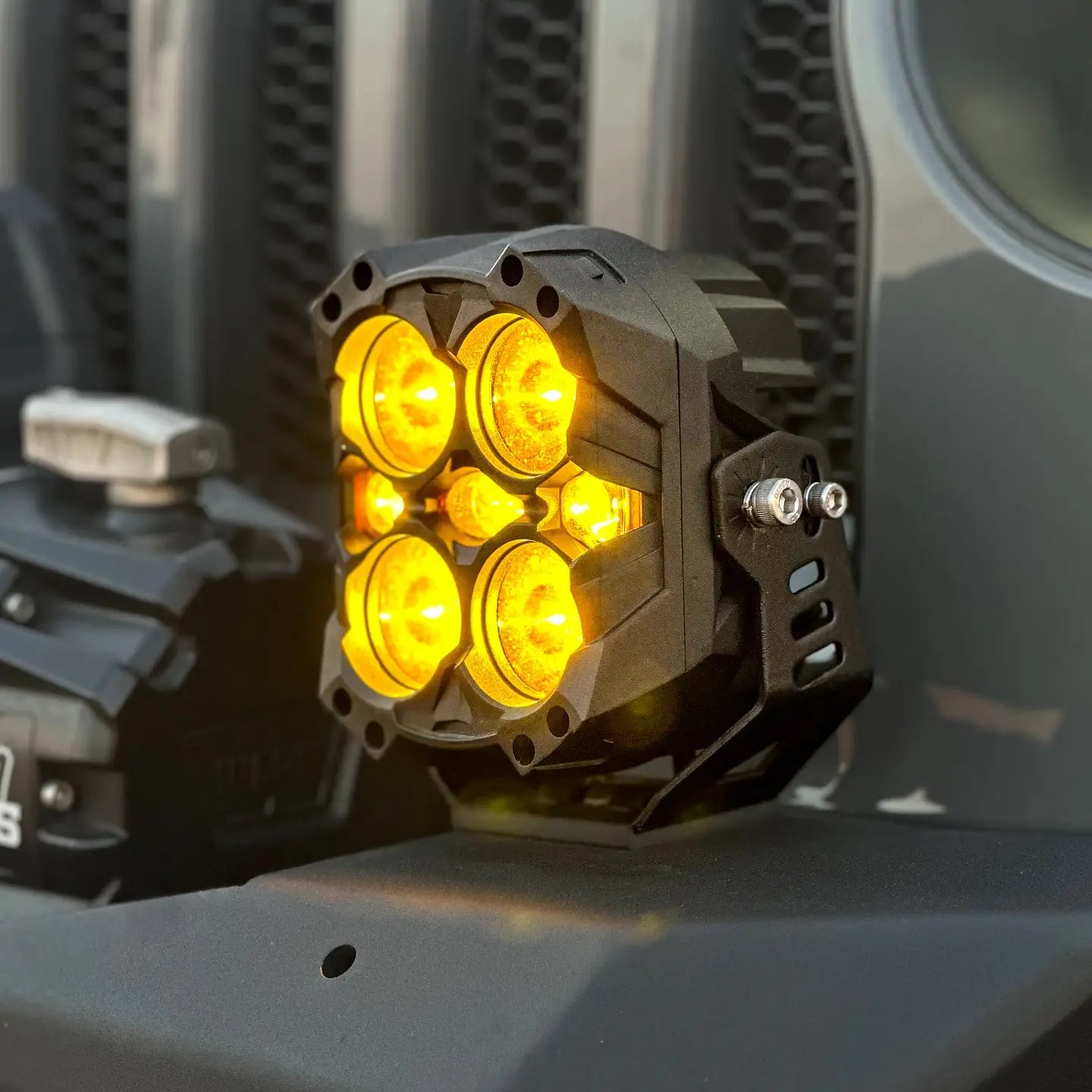
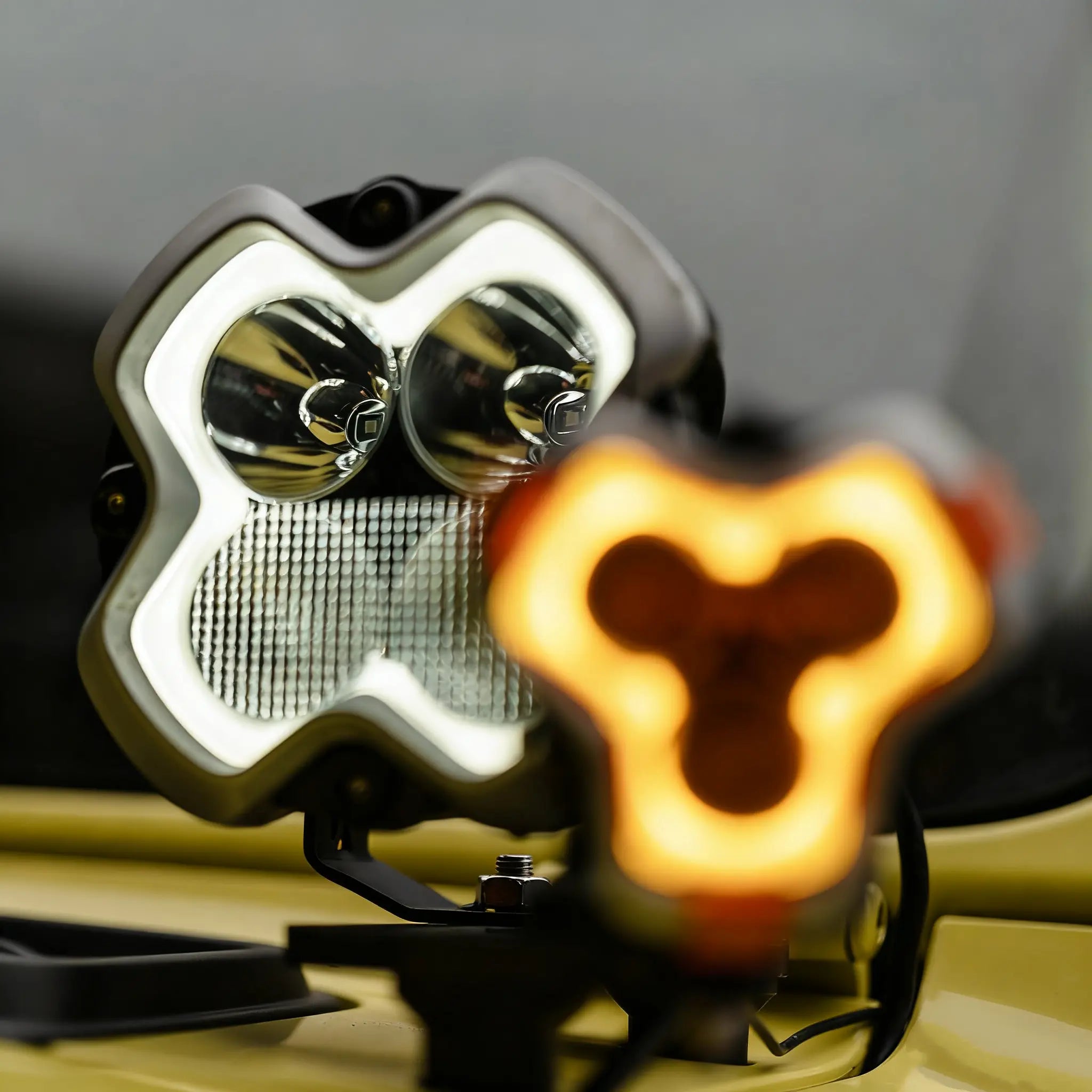




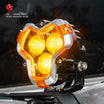


Projector and reflector headlights use different optical designs to direct light onto the road. Reflector headlights use a reflective bowl to spread light forward, while projector headlights add a lens and cutoff system to create a more controlled beam pattern.
So, are projector headlights better than reflector headlights? In general, a well-designed projector offers more precise beam control and a sharper cutoff, while reflector headlights are simpler, shallower, and usually less expensive. However, the better choice depends on your vehicle, bulb type, housing design, and how the complete lighting system is engineered.
Projector vs Reflector Headlights: Quick Comparison
| Feature | Reflector Headlights | Projector Headlights |
|---|---|---|
| Optical design | Reflective bowl | Reflector, cutoff shield, and lens |
| Beam pattern | Usually broader | Usually more focused |
| Cutoff | Generally softer | Generally sharper |
| Glare control | More dependent on bulb position and optics | Usually better controlled when properly designed and aimed |
| Housing depth | Usually shallower | Usually deeper |
| Cost | Generally lower | Generally higher |
| Best for | Simple and cost-effective setups | More precise beam control |

Projector and reflector headlights use different optics to shape and control the beam.
How to Tell Projector vs Reflector Headlights
The easiest way to identify your headlight type is to look through the front of the housing.
- Projector headlights usually have a visible round or oval lens in front of the light source.
- Reflector headlights usually have an open mirrored bowl surrounding the bulb without a projector lens in front.
Some vehicles use both designs in the same assembly, such as a projector for the low beam and a reflector for the high beam.

What Are Reflector Headlights?
Reflector headlights are the more traditional headlight design. A bulb sits at a carefully positioned focal point inside a reflective housing. The shaped reflective surfaces redirect light forward and create the intended road illumination pattern.
Modern reflector housings are more sophisticated than the simple reflectors used on older vehicles. Their internal surfaces are engineered to control different portions of the beam.

Advantages of Reflector Headlights
- Simple design: Reflector housings generally use fewer optical components.
- Lower cost: They are usually less expensive to manufacture and replace.
- Compact depth: Reflector housings are often shallower and require less space behind the headlight.
- Wide illumination: A well-designed reflector can provide useful light across a broad area of the road.
Disadvantages of Reflector Headlights
- The beam pattern is often less sharply defined than a projector beam.
- Bulb position and orientation can have a significant effect on beam quality.
- An incompatible or incorrectly installed replacement bulb may create excessive glare or scattered light.
Reflector headlights can still be aimed using the vehicle's headlight adjustment system. The difference is that the reflector optical design generally provides less precise control of the beam than a projector system.
What Are Projector Headlights?
Projector headlights use additional optical components to control the light before it leaves the headlight assembly.
A typical projector contains a light source, reflector, cutoff shield, and projector lens. The reflector directs light toward the lens, while the cutoff shield helps control upward light. The lens then projects the resulting beam onto the road.

Some projector systems use a movable shield for low and high beam operation. In these bi-projector designs, the shield changes position to allow more light above the low-beam cutoff when the high beam is activated.
Advantages of Projector Headlights
- Sharper cutoff: The cutoff shield can create a more clearly defined upper edge to the low beam.
- Better beam control: Light can be concentrated more precisely where the optical system is designed to place it.
- Reduced upward light: A properly designed, installed, and aimed projector can help reduce glare toward oncoming traffic.
- Modern appearance: The visible projector lens gives many headlights a distinctive modern look.
Disadvantages of Projector Headlights
- Projector assemblies are generally more complex.
- They can be more expensive than reflector housings.
- The housing may require more depth behind the headlight.
- Bulb compatibility and correct focal position are still important.
Projector vs Reflector: What Are the Main Differences?

1. Beam Pattern
Reflector headlights generally produce a broader beam with a softer transition at the upper edge. Projector headlights usually create a more concentrated beam with a sharper cutoff.
This does not mean every projector automatically performs better than every reflector. The quality of the housing, bulb, optical design, installation, and headlight aim all affect real-world performance.
2. Glare Control
Projector headlights typically have an advantage in controlling upward light because of the internal cutoff shield.
However, projector headlights can still cause glare if the headlight is aimed too high, the bulb is installed incorrectly, or the replacement bulb does not match the optical design of the housing.
Reflector headlights are particularly sensitive to the position of the light source. If the bulb's emitting point differs significantly from the original design, light may be reflected into areas where it was not intended to go.
3. Housing Size and Cost
Reflector headlights are generally simpler, shallower, and less expensive. Projector headlights contain more optical components and are usually deeper and more costly.
For factory-installed systems, packaging is already designed around the headlight. For aftermarket conversions or custom builds, housing depth and rear clearance can become important considerations.
Are Projector Headlights Better Than Reflector Headlights?
If your priority is precise beam control, a defined cutoff, and reduced unwanted upward light, a well-designed projector headlight generally has an advantage.
If your priorities are simplicity, lower cost, compact packaging, and easy replacement, a reflector headlight may be the more practical option.
The most important point is that housing type alone does not determine headlight performance. A high-quality reflector can outperform a poorly designed projector, and either system can perform poorly when fitted with an incompatible bulb or aimed incorrectly.
Can You Use LED Bulbs in Reflector Headlights?
LED replacement bulbs can be used in some reflector headlight applications, but compatibility is critical.
A reflector is designed around the position and dimensions of its intended light source. If an LED bulb places its emitters in a significantly different location from the original halogen filament, the reflector may produce scattered light, dark spots, or excessive glare.
When considering an LED upgrade, look for a bulb that closely matches the original bulb's light-source position and fits securely in the housing. After installation, always inspect the beam pattern and recheck headlight aim.
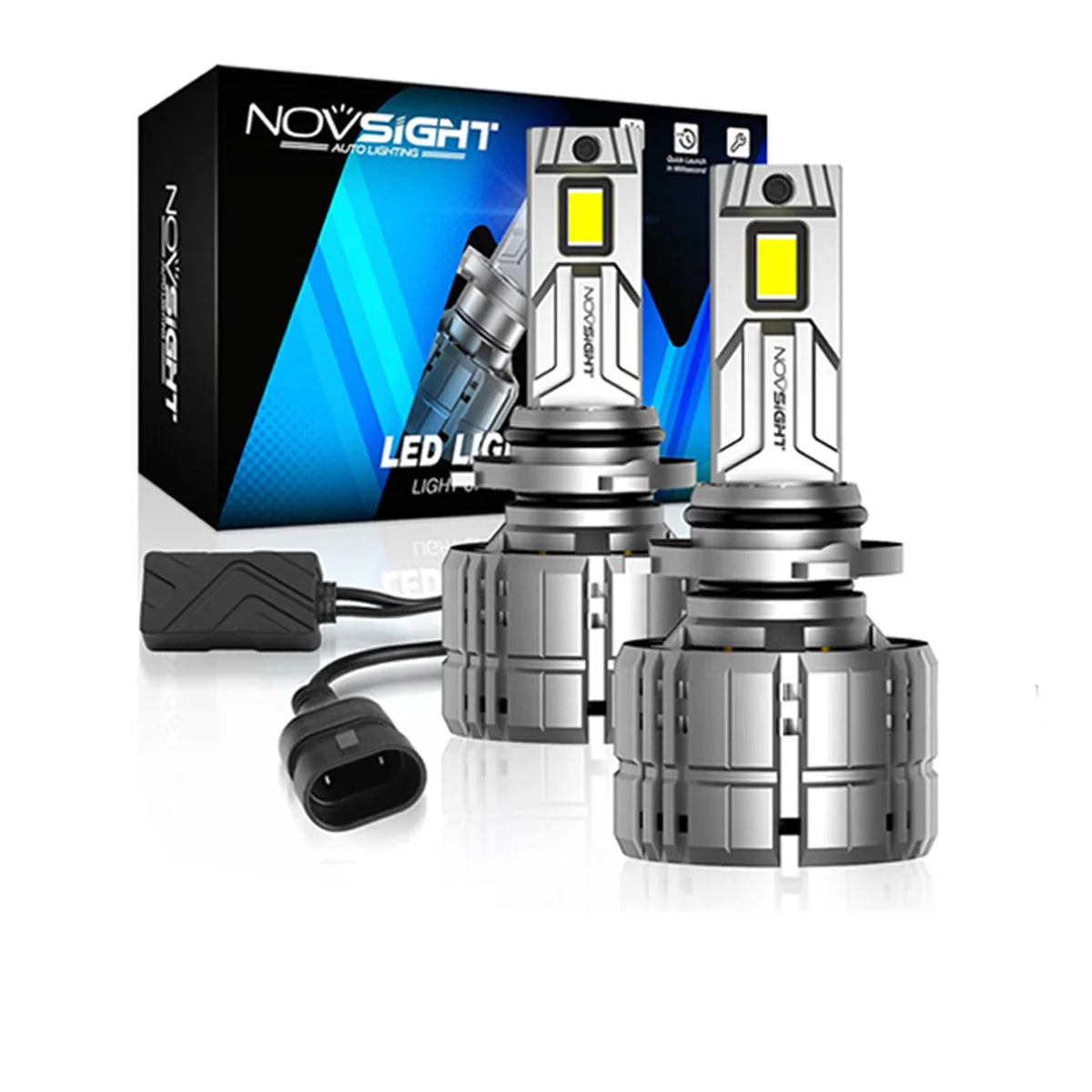
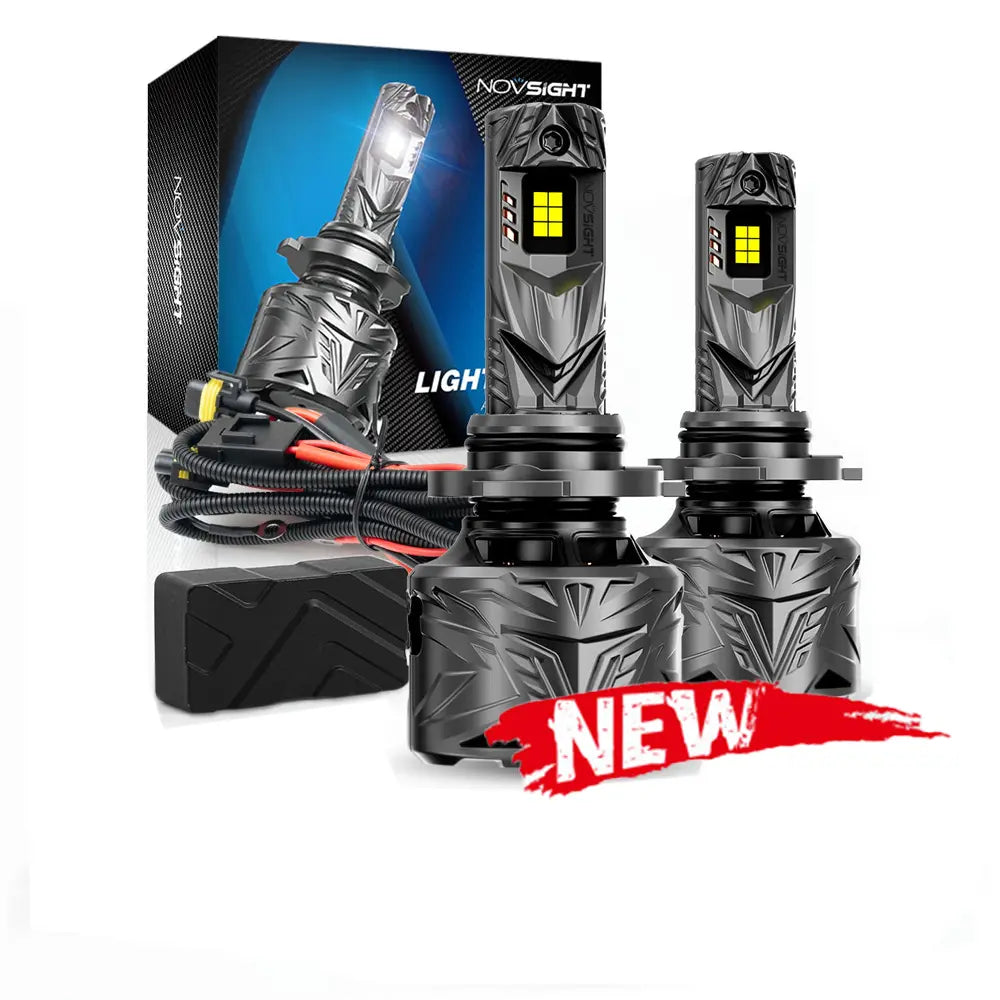
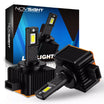
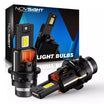
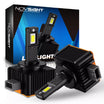
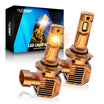
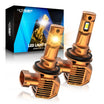
You can browse Novsight LED headlight bulbs for available bulb types and vehicle applications.
Can You Use LED Bulbs in Projector Headlights?
LED replacement bulbs can also work in some projector housings originally designed for replaceable halogen bulbs. However, a projector lens does not automatically make every LED bulb compatible.
The light source still needs to sit at the correct focal position. An improperly designed or incorrectly seated LED bulb can change the beam pattern even when a cutoff shield is present.
You should also check rear clearance because some LED bulbs use a heatsink, cooling fan, or external driver that requires additional space behind the headlight assembly.
After installation, test the low-beam cutoff against a wall and make sure the beam remains controlled without excessive glare.
Which Is Better for LED Bulbs: Projector or Reflector?
There is no universal answer because LED performance depends on the complete optical system rather than the housing type alone.
Projector headlights often provide better control of the upper cutoff, but they are still sensitive to LED emitter position and focal accuracy. Reflector headlights can also work well with a compatible LED bulb, but incorrect emitter placement is more likely to create noticeable scatter.
The better approach is to choose a bulb designed for your specific application rather than selecting a bulb based only on whether the vehicle has a projector or reflector housing.
How to Find the Right LED Headlight Bulb
Before purchasing replacement bulbs, confirm the correct bulb size for your vehicle and check whether the bulb is intended for your headlight application.
The easiest option is to use the Novsight Vehicle Bulb Finder. Select your vehicle's year, make, and model to identify compatible bulb sizes.
You should also confirm:
- The original bulb type
- Available space behind the headlight
- Connector compatibility
- Bulb orientation and seating
- Beam pattern after installation
Requirements for replacement light sources can vary by vehicle and location, so also check the applicable vehicle regulations in your area before making a lighting modification.
Projector vs Reflector Headlights FAQ
Are projector headlights brighter than reflector headlights?
Not necessarily. Projectors often concentrate light into a more controlled beam, which can make the road illumination appear more focused. Actual light output depends on the bulb, housing, optics, voltage, condition, and headlight aim.
Do projector headlights reduce glare?
A properly designed and aimed projector can reduce unwanted upward light because of its cutoff shield. It cannot eliminate glare caused by incorrect aiming, incompatible bulbs, or improper installation.
Can I replace halogen bulbs with LEDs in reflector headlights?
It depends on the housing and replacement bulb. The LED emitter should closely reproduce the intended light-source position, and the resulting beam pattern should be checked after installation.
Can I put LED bulbs in projector headlights?
Some halogen projector systems can accept compatible LED replacement bulbs, but correct focal position, bulb dimensions, cooling clearance, and beam pattern are still important.
How do I know whether my headlights are projector or reflector type?
A visible round lens usually indicates a projector. An open mirrored bowl around the bulb generally indicates a reflector. Some headlight assemblies contain both types.
Final Thoughts
Projector and reflector headlights can both provide effective road illumination when they are properly designed, equipped, installed, and aimed.
Projectors generally offer more precise beam control and a sharper cutoff, while reflectors offer a simpler, shallower, and more affordable design.
If you are considering an LED upgrade, do not choose a bulb based on brightness claims alone. Start by identifying the correct bulb size with the Vehicle Bulb Finder, then compare compatible LED headlight bulbs and verify the beam pattern after installation.



Leave a comment
All comments are moderated before being published.
This site is protected by hCaptcha and the hCaptcha Privacy Policy and Terms of Service apply.