



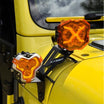
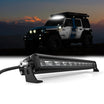
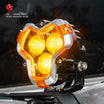
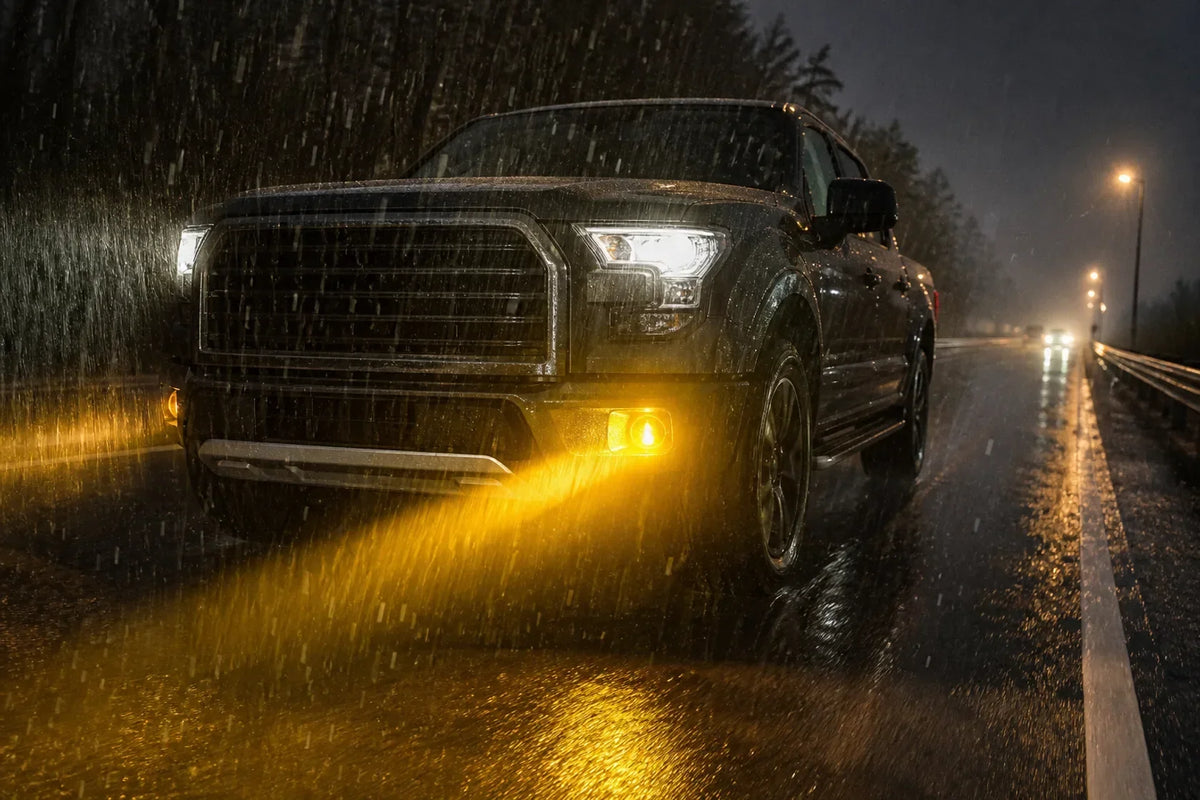
For daily drivers, winter and shoulder seasons bring some of the most challenging driving conditions imaginable. Blinding snowstorms, dense morning fog, and heavy downpours can reduce forward visibility to near zero. In these high-stress situations, your standard headlights often do more harm than good, bouncing bright light directly back into your eyes.
This is where dedicated fog lights come into play. But if you have ever shopped for upgrades, you have likely run into a classic automotive debate: Should you run white or yellow fog lights?
While cool white LEDs look modern and sleek on dry pavement, yellow H11 LED fog light bulbs are the undisputed champions when weather conditions take a turn for the worse. In this guide, we will dive into the science of why yellow light outperforms white in low-visibility environments, why the H11 bulb size is so critical, and when it makes the most sense to make the switch for your vehicle.
The Science of Yellow Light: Why White Blinds You in the Storm
To understand why yellow fog lights work so well, we have to look at how light interacts with particles in the air, such as water droplets, ice crystals, and dust. This phenomenon is known as atmospheric scattering.
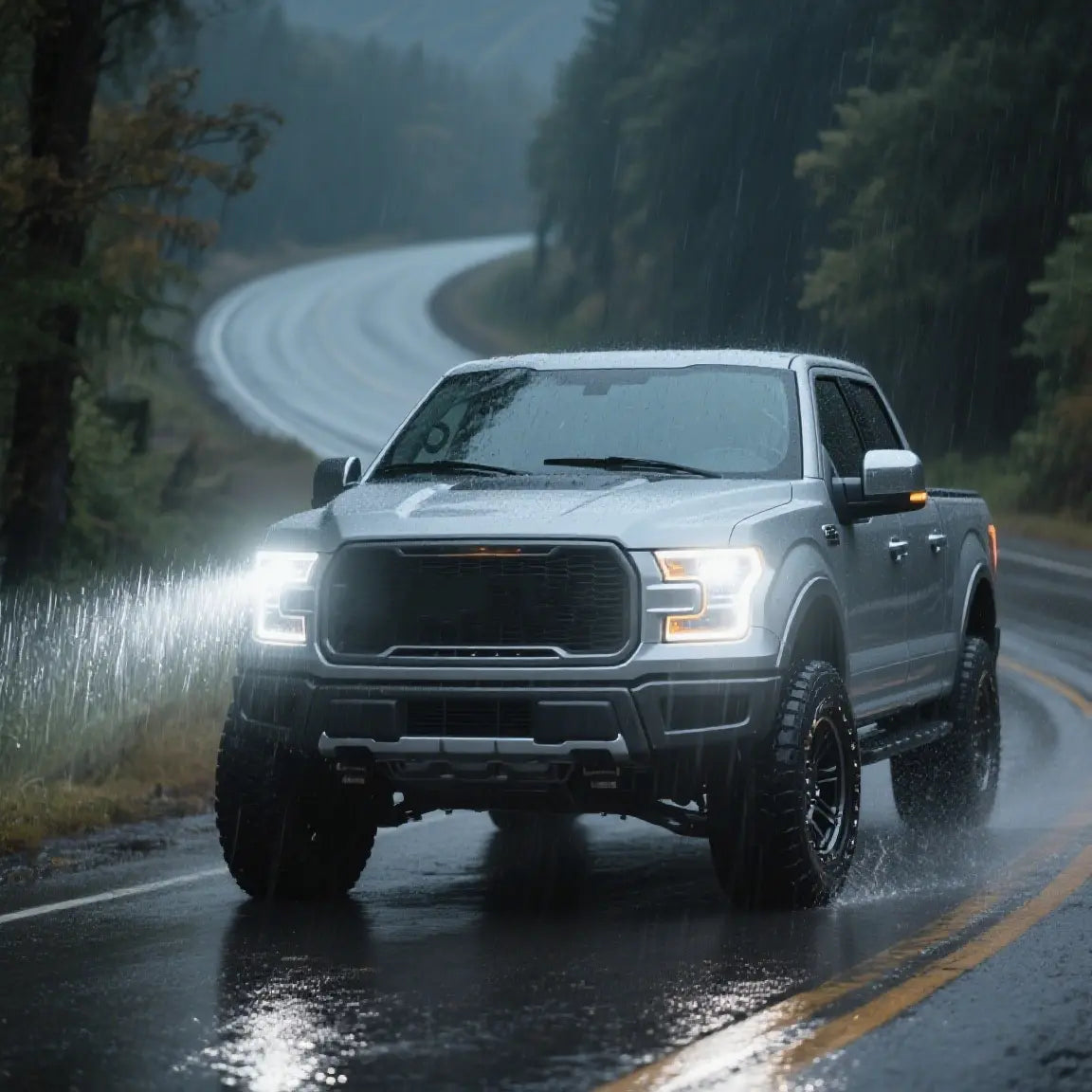
Standard white headlights emit light across the entire visible spectrum, with a heavy concentration of short-wavelength blue light. When these short wavelengths hit water droplets in fog or snowflakes in a blizzard, they scatter aggressively in all directions. This scattering creates a solid wall of white glare—often called "backscatter"—that reflects directly back into the driver's eyes, causing immediate eye strain and drastically reducing depth perception.
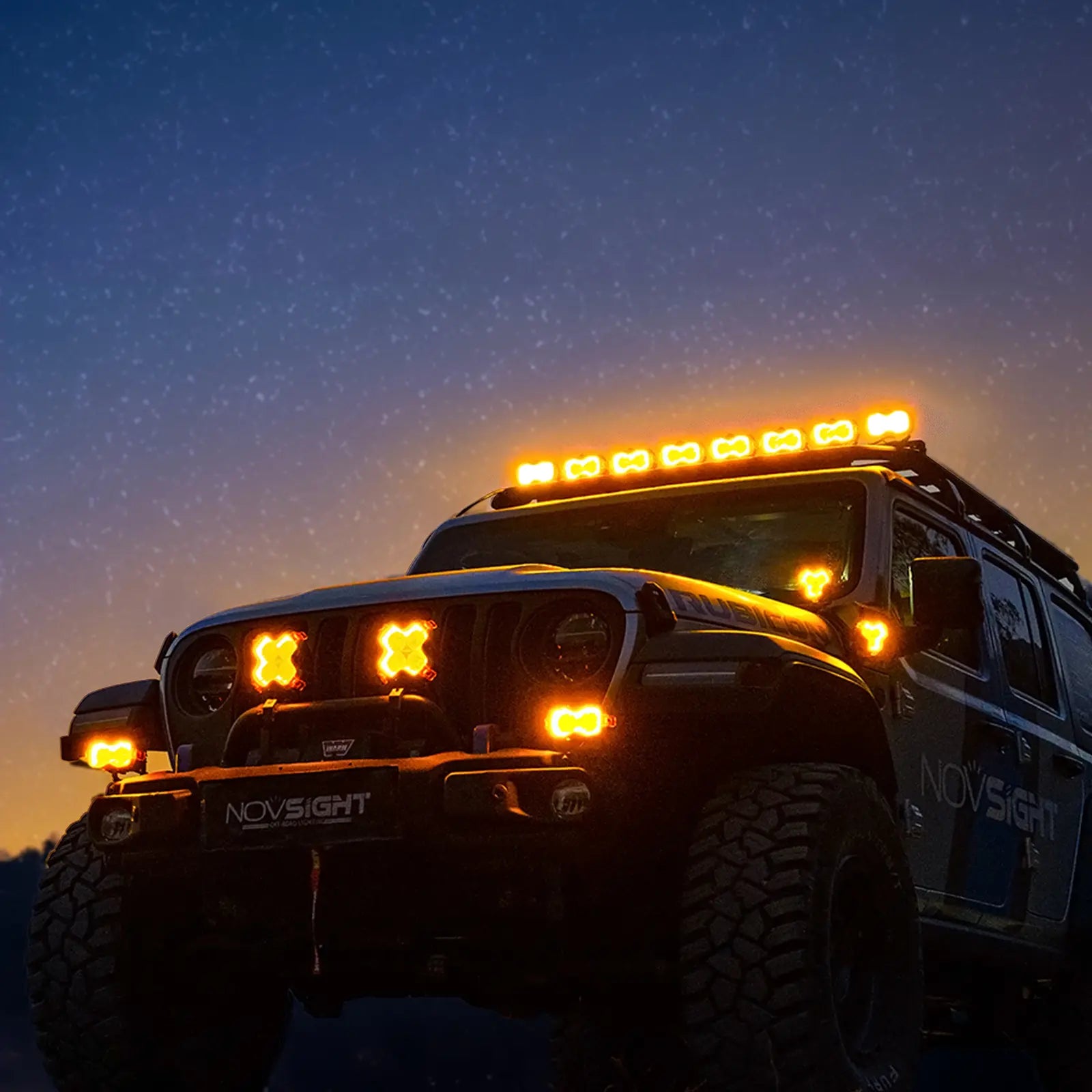
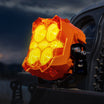
Selective yellow or amber light, on the other hand, features much longer wavelengths. These longer wavelengths are far less prone to scattering when they encounter airborne particles. Instead of reflecting back into your eyes, yellow light penetrates through the moisture, illuminating the road surface below the fog bank. Furthermore, the human eye processes yellow light more easily in low-visibility conditions, which improves contrast, helps you identify road hazards sooner, and reduces the mental fatigue associated with staring into a blinding white storm.H11 Bulbs: The Go-To Standard for Modern Fog Lights
If you take a look under the front bumper of most modern pickup trucks, SUVs, and passenger cars, there is a very high probability you will find an H11 bulb socket housing the factory fog lights. The H11 bulb design has become the industry standard for fog lamps due to its compact right-angle base, secure twist-lock installation, and reliable weather-sealed connection.
Unfortunately, many vehicles come equipped from the factory with dim, yellowish-brown halogen H11 bulbs. These traditional halogens lack the raw power, crispness, and longevity of modern LED technology. Upgrading to a premium LED bulb that fits directly into your factory H11 housing is one of the easiest, most cost-effective modifications you can make to improve your vehicle's foul-weather capability without replacing the entire bumper or light housing assembly.
When to Choose Yellow LED Fog Lights Over White
While yellow lights offer massive safety benefits in poor weather, they might not be the ideal choice for every single driver or environment. To help you decide which setup fits your driving style, let's compare how white and yellow fog lights perform across different scenarios:

- Active Snowstorms & Blizzards: Yellow is the clear winner. White light reflects off falling snowflakes, creating a blinding whiteout effect. Yellow light cuts through the snow, highlighting the edges of the road and track lanes.
- Dense Fog & Heavy Mist: Yellow is highly superior. It sits low to the ground and illuminates the road surface beneath the fog line without creating a wall of glare.
- Dusty Off-Road Trails: Yellow is highly recommended. When trailing behind other vehicles on dry dirt roads, the dust kicked up behaves exactly like fog. Yellow light cuts through the dust cloud, allowing you to spot obstacles and trail markers.
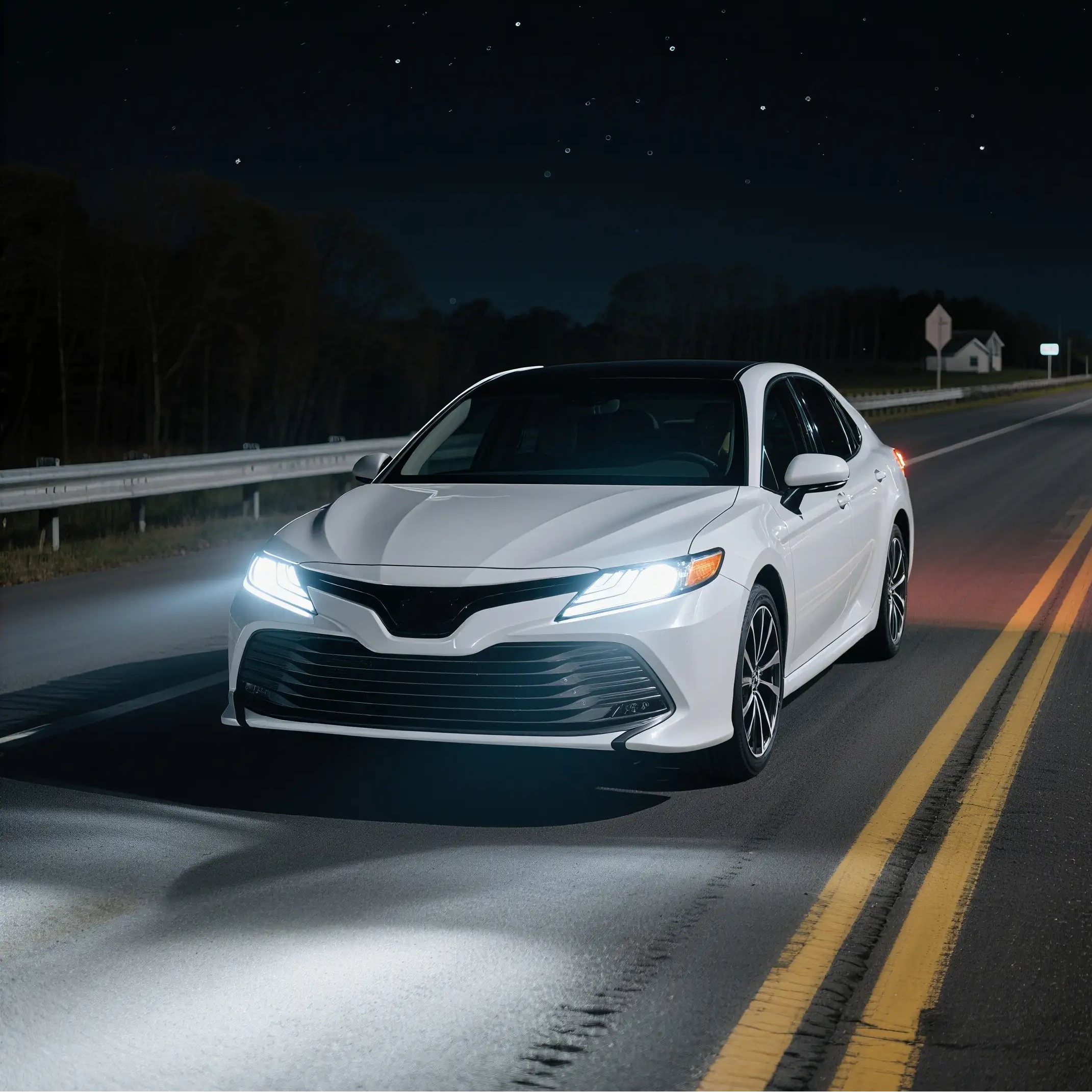
- Clear, Dry Night Driving: White is generally preferred. On clear, dark highways or winding country roads, white fog lights provide excellent peripheral illumination to help you spot deer or debris on the shoulder.
Ultimately, if you live in an area prone to harsh winters, heavy rain, or frequent coastal fog—or if you spend your weekends overlanding on dusty trails—swapping your factory bulbs for a dedicated yellow LED set is a safety upgrade that pays for itself the very first time you get caught in a storm.
Why the Novsight N62 Yellow H11 LED is a Smart Upgrade
When you decide to upgrade your lighting, avoiding cheap, unbranded LED options is crucial. Low-quality bulbs often feature poorly positioned LED chips that scatter light everywhere, blinding oncoming traffic and failing to project light where you actually need it.

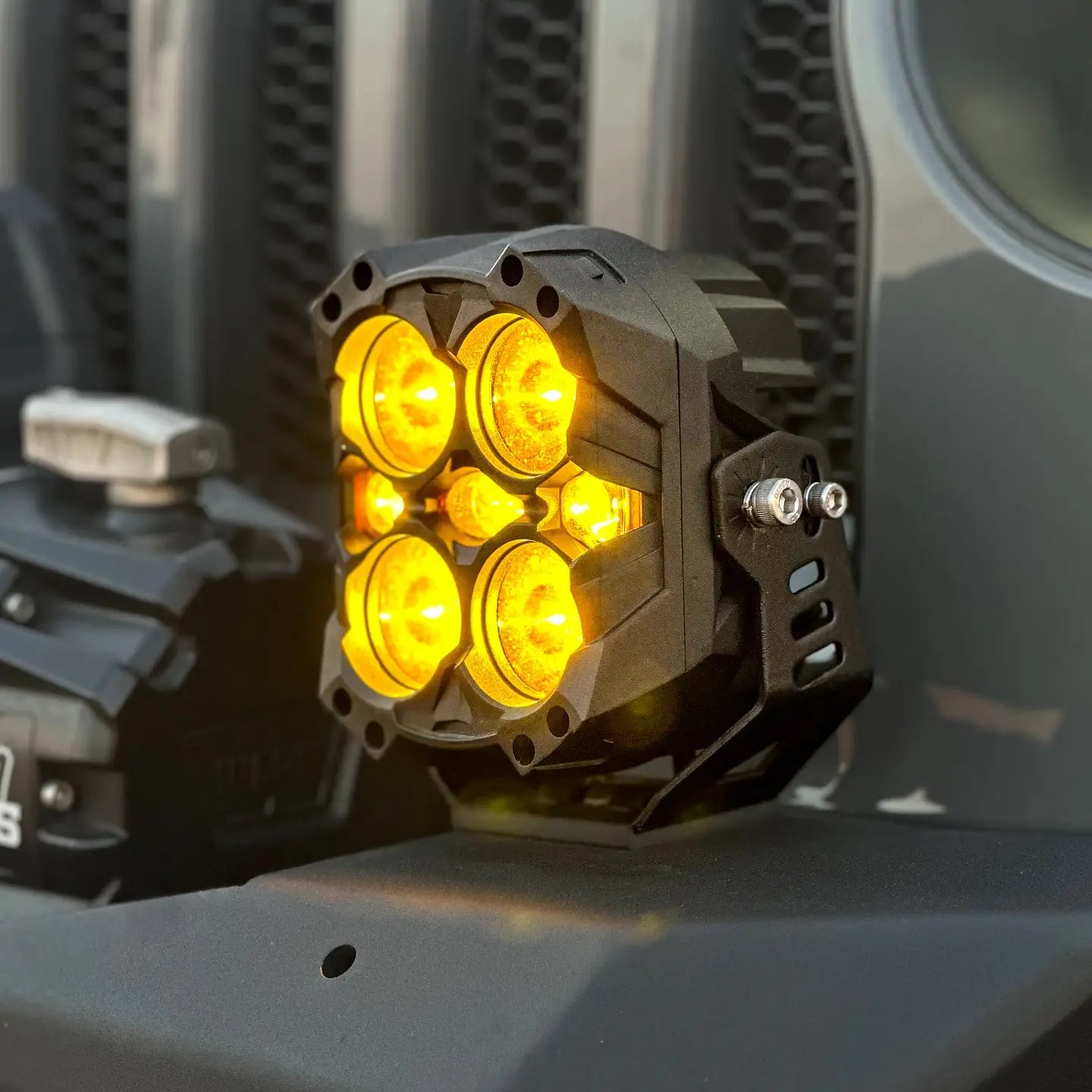
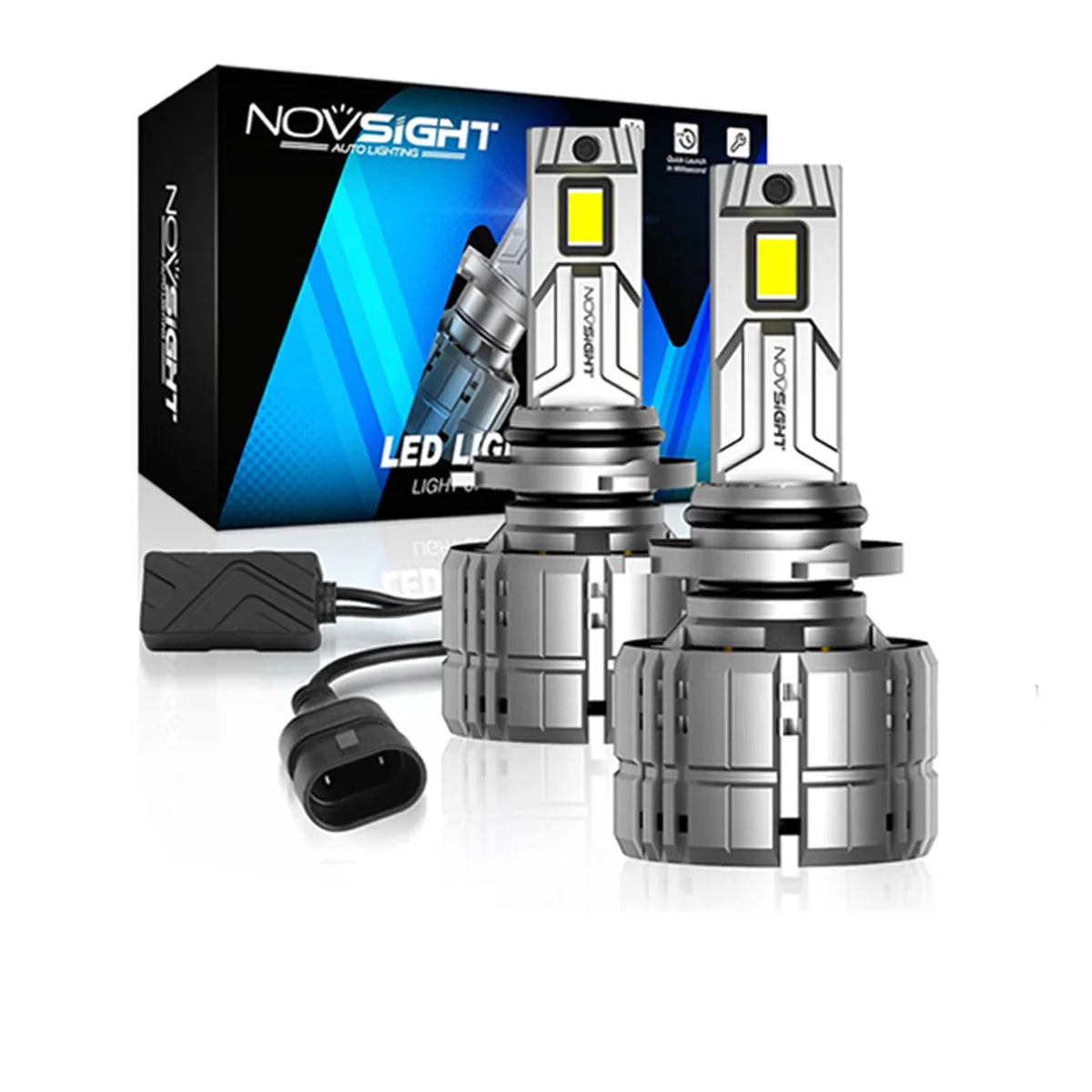
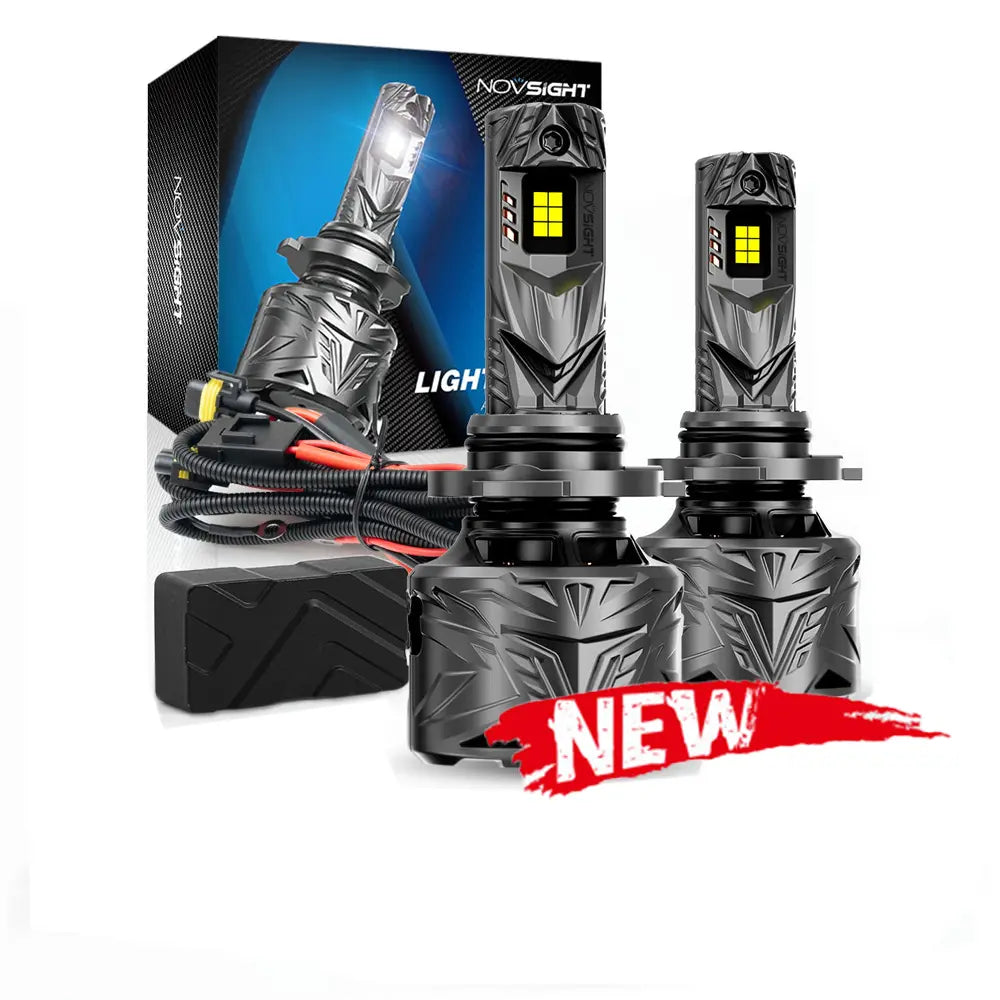
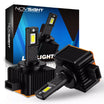
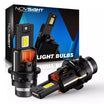
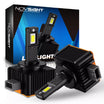
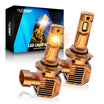
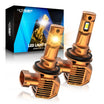
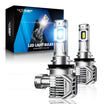
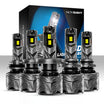
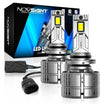
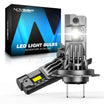
The Novsight N62 Yellow H11 LED Fog Light Bulbs are engineered specifically to solve these common pain points. Designed as a direct plug-and-play replacement, these bulbs feature a precise beam pattern that mimics the filament location of original halogen bulbs. This ensures that the rich, golden-yellow light is focused low and wide across the road surface, keeping the beam pattern sharp and glare-free for oncoming drivers.
Built with robust materials and advanced thermal management, the N62 series is designed to withstand the vibration of rugged off-road trails and the freezing temperatures of deep winter. They offer a significant jump in brightness and contrast over stock halogens, giving you the confidence to navigate unpredictable weather safely.
Installation Tips for Maximum Effectiveness
To get the absolute most out of your new yellow H11 LED fog lights, keep these three installation tips in mind:
- Ensure a Clean Seal: When swapping your bulbs, make sure the rubber O-ring on the new LED bulb is seated perfectly in the housing. This prevents moisture, road salt, and dust from entering the fog light lens.
- Check Your Alignment: Fog lights are designed to illuminate the first 10 to 30 feet of the road directly in front of your bumper. If your vehicle is lifted or has heavy cargo in the back, your fog lights may be pointing too high. Adjust the aiming screws on your bumper to keep the beam low and parallel to the ground.
- Clean Your Lenses: Road grime, salt crust, and mud can drastically reduce the output of even the brightest LED bulbs. Keep your fog light lenses clean during the winter months to ensure maximum light penetration.
Frequently Asked Questions
Are yellow fog lights legal for street use in the United States?
Yes, in the vast majority of US states, selective yellow or amber fog lights are completely street-legal. DOT regulations permit white, selective yellow, or amber light colors for front-facing fog lamps. However, you should always check your local state laws regarding auxiliary lighting to ensure compliance.
Can I use yellow H11 LED bulbs in my main headlights?
No, it is not recommended to use yellow LED bulbs in your primary low or high-beam headlights. Headlights are designed to project light far down the road for high-speed driving, where white light is necessary to spot hazards at a distance. Yellow lights are specifically optimized for low-speed, close-range visibility in heavy weather and should remain in your lower fog light housings.
Will these LED bulbs flicker or cause error codes on my dashboard?
Many modern vehicles use CANbus systems to monitor bulb health, which can sometimes cause aftermarket LEDs to flicker or trigger a "bulb out" warning. The Novsight N62 series is designed with broad vehicle compatibility in mind, but if your specific vehicle is known for sensitive electronics, you may easily resolve this by adding a simple plug-and-play LED decoder harness.

Leave a comment
This site is protected by hCaptcha and the hCaptcha Privacy Policy and Terms of Service apply.