
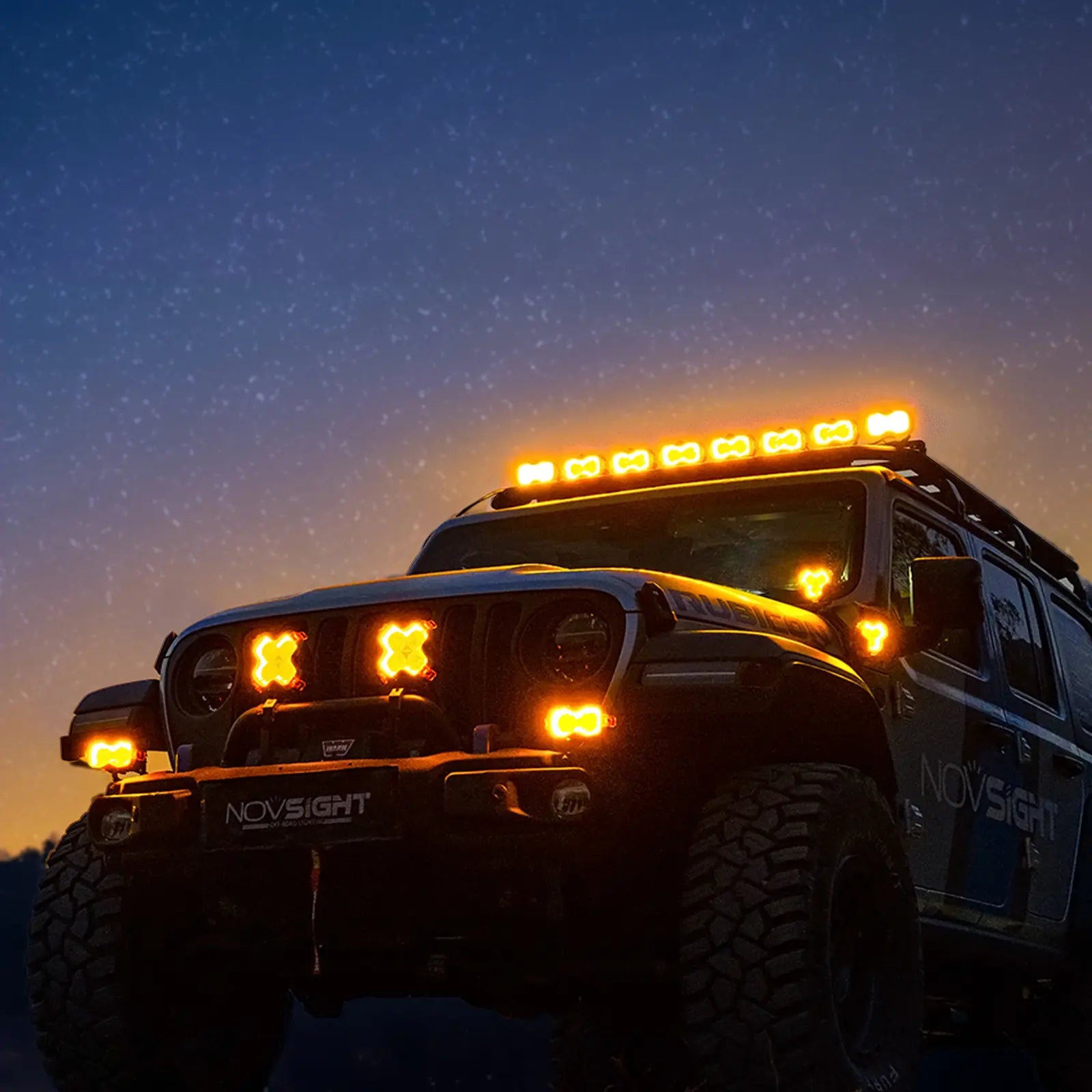
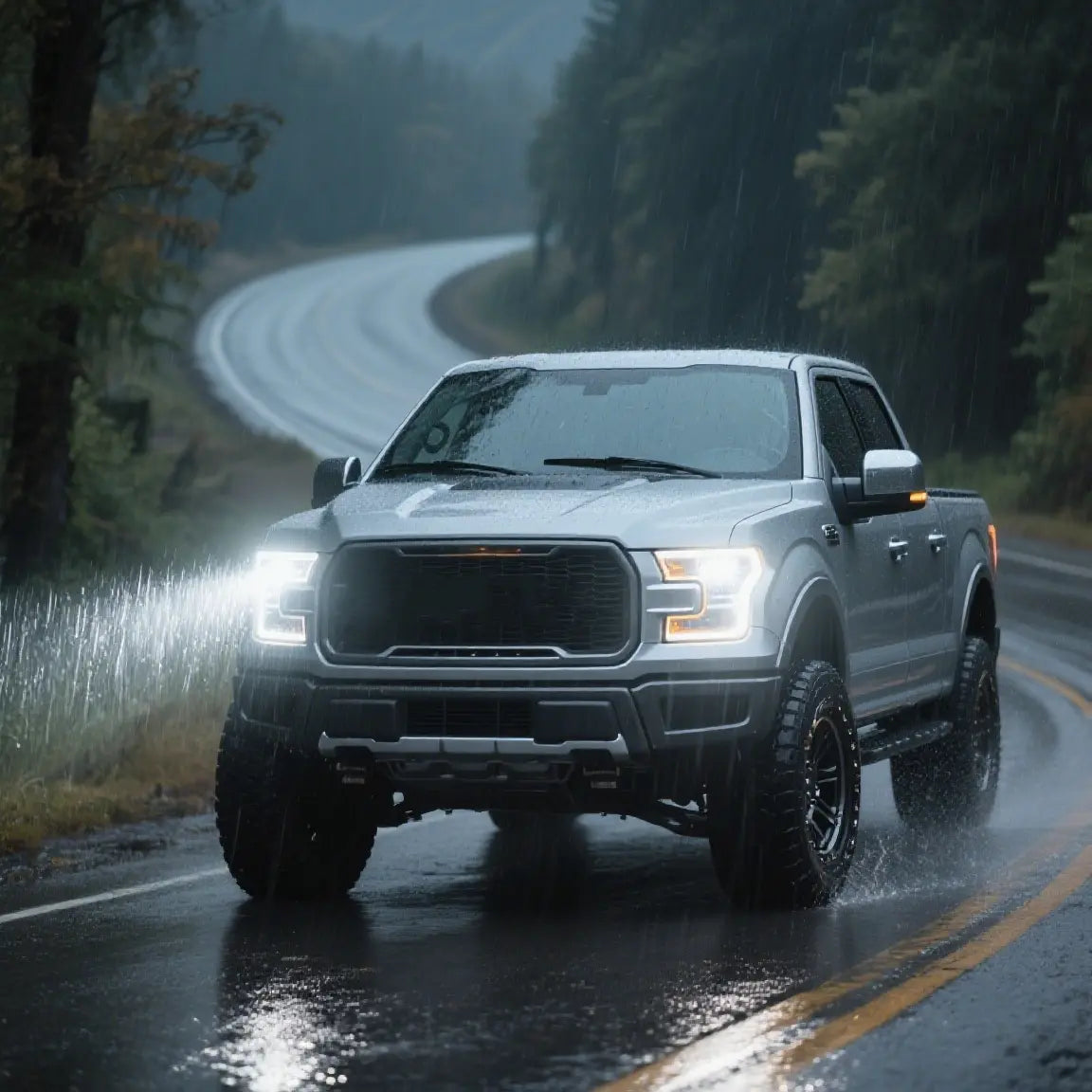
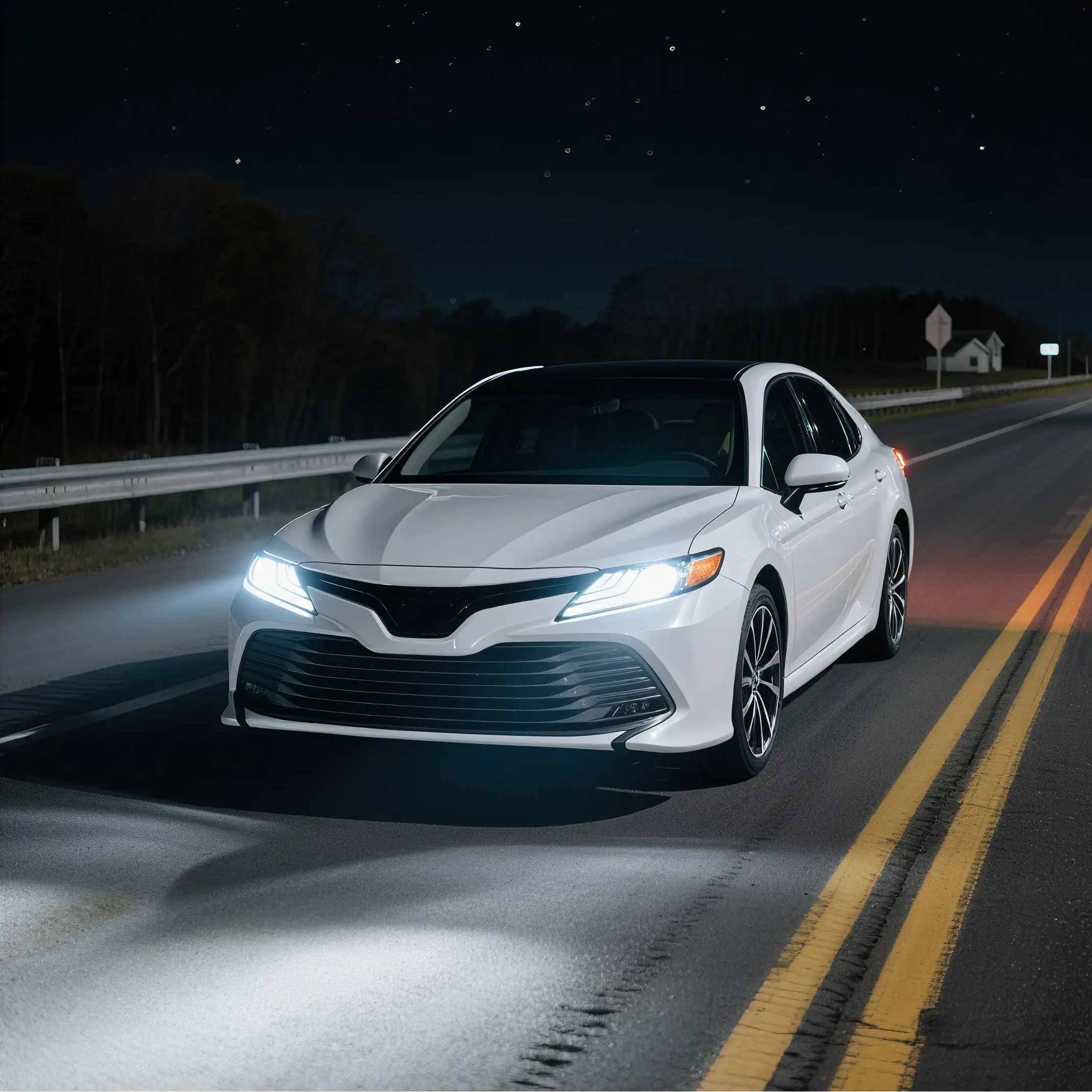
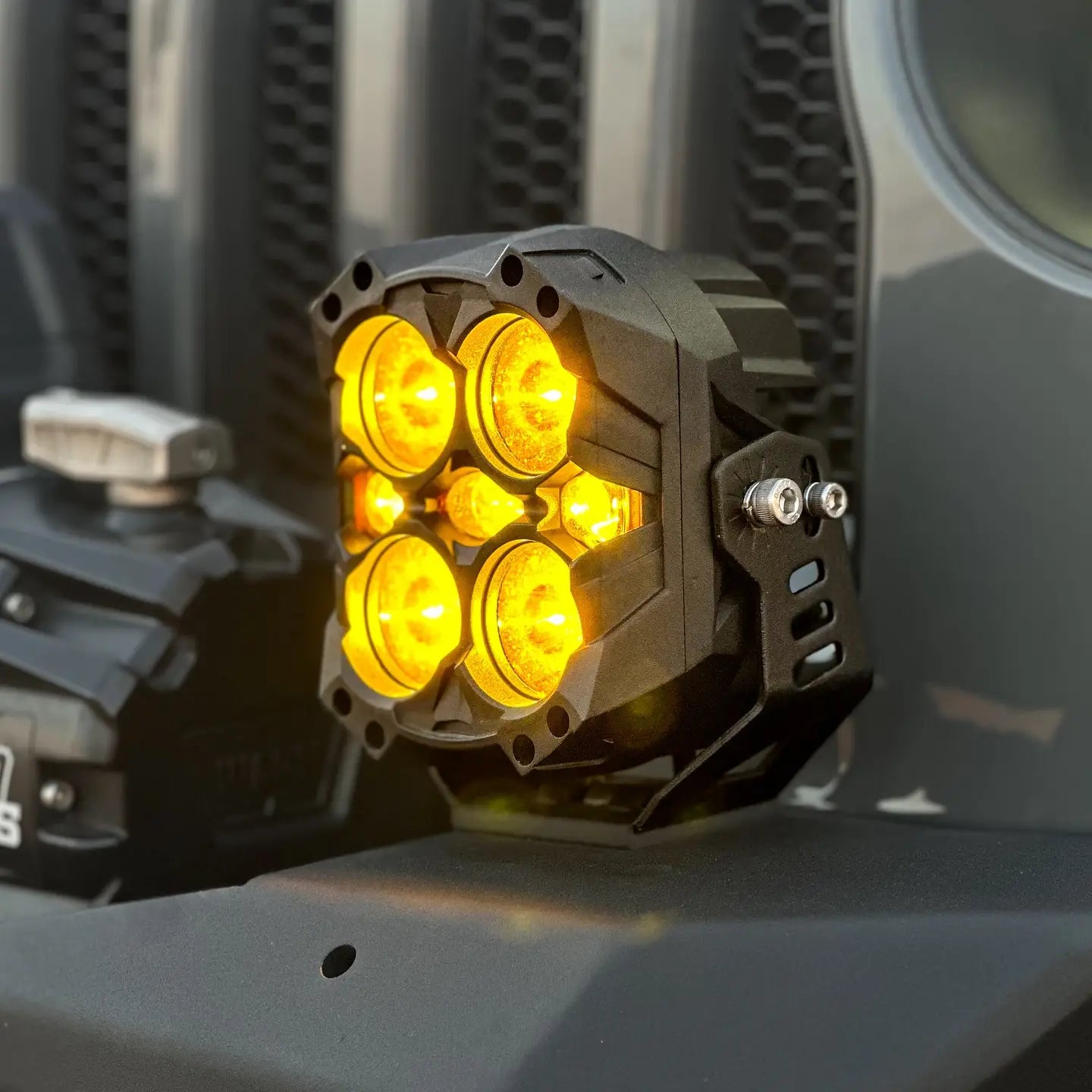
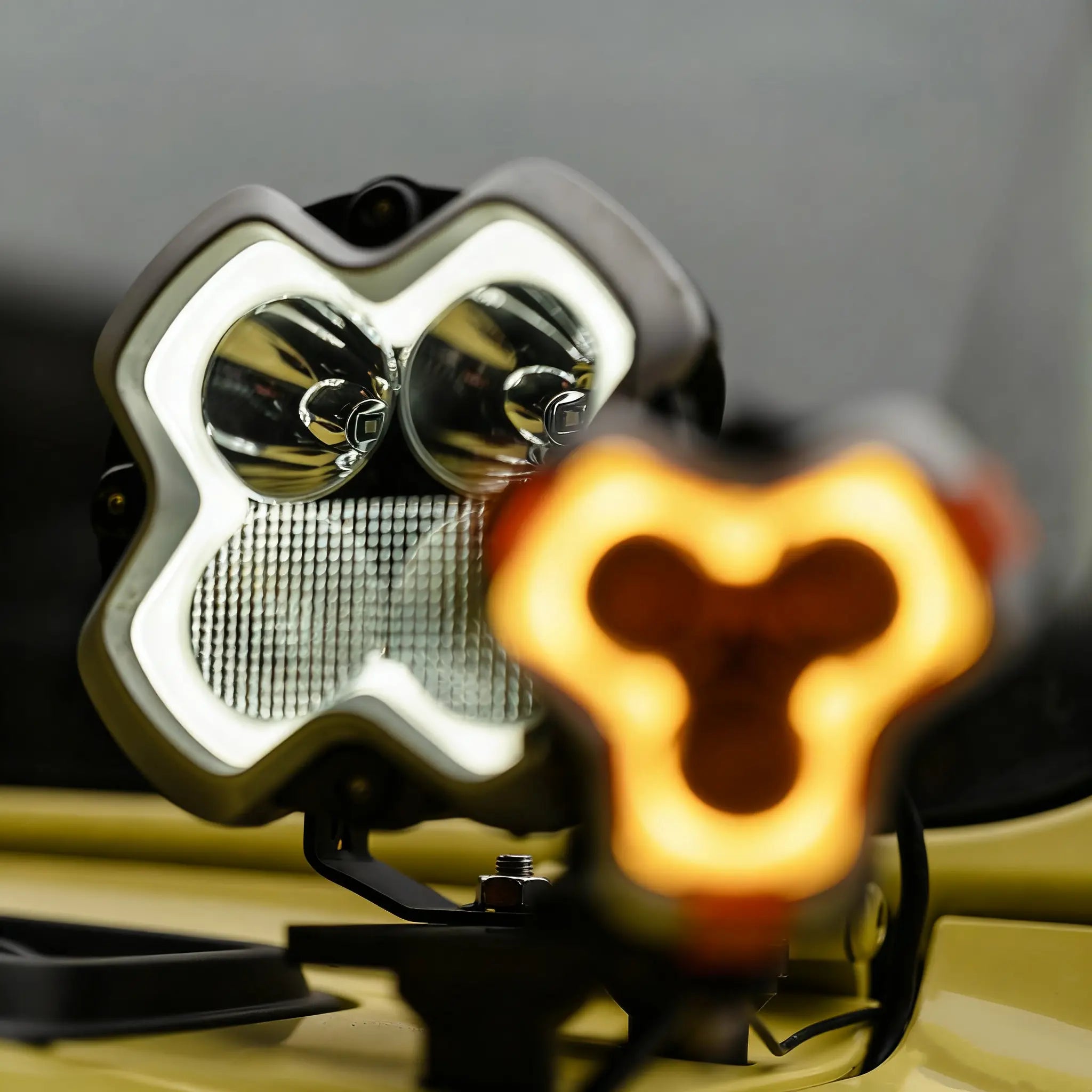
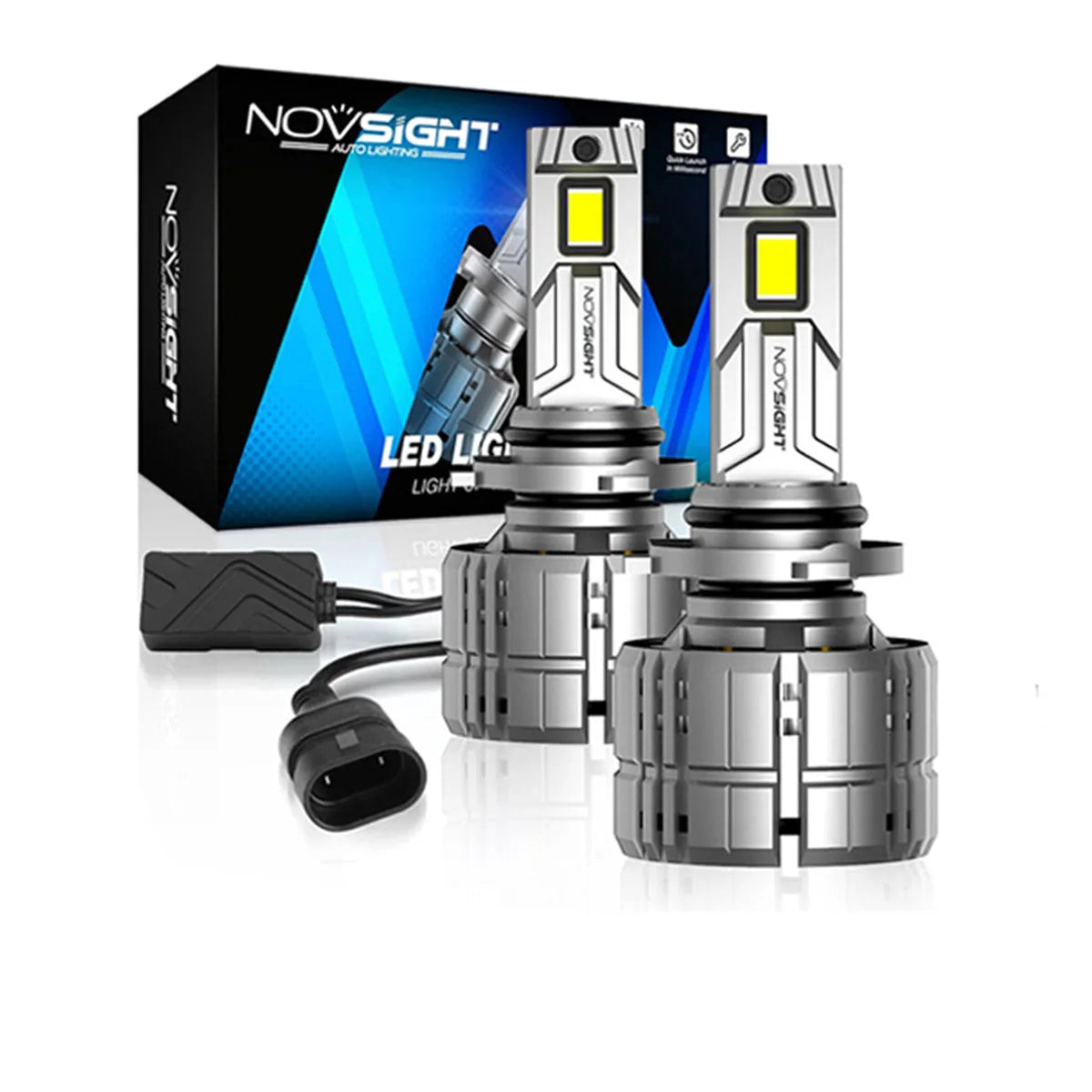
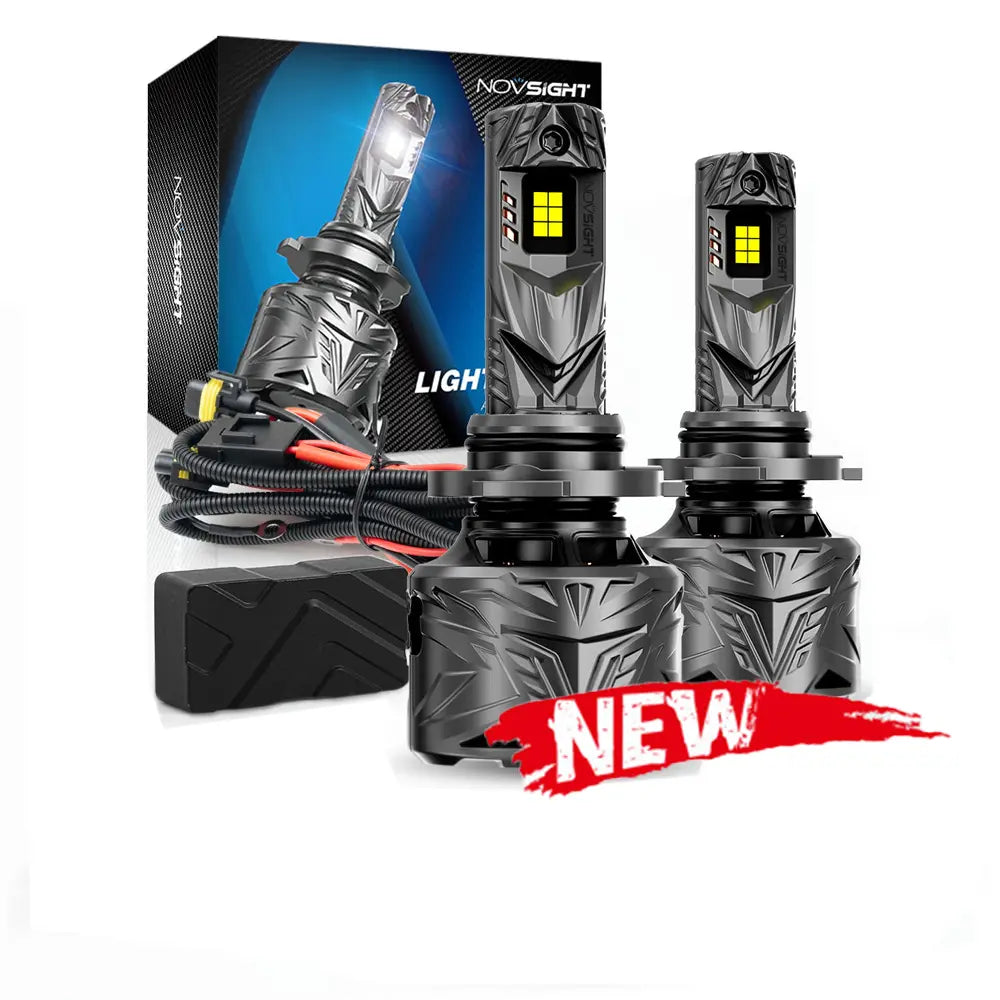
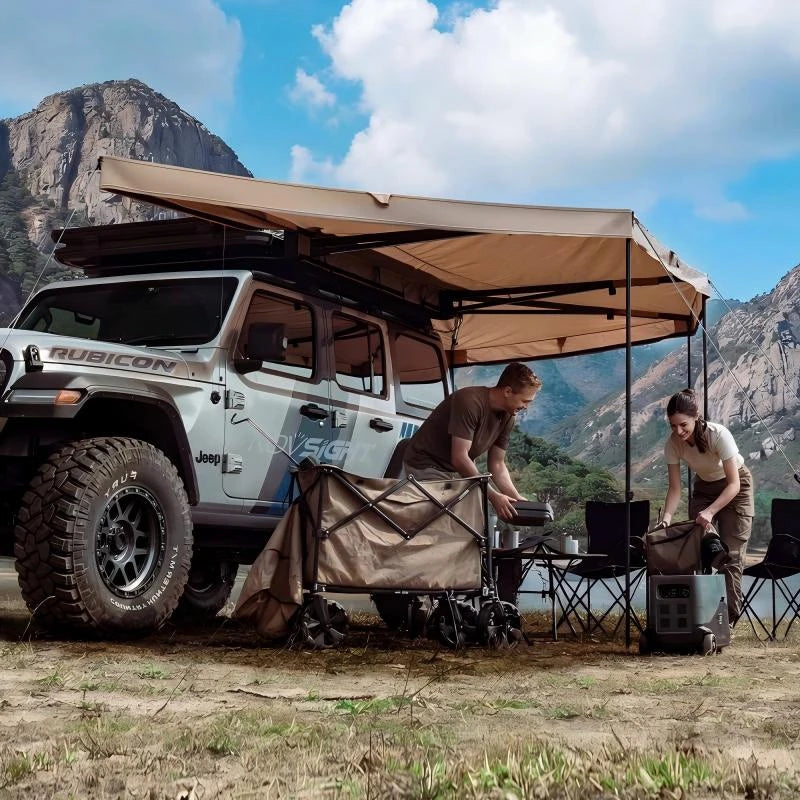

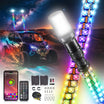
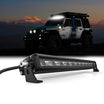
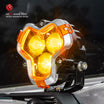
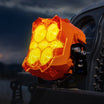
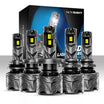
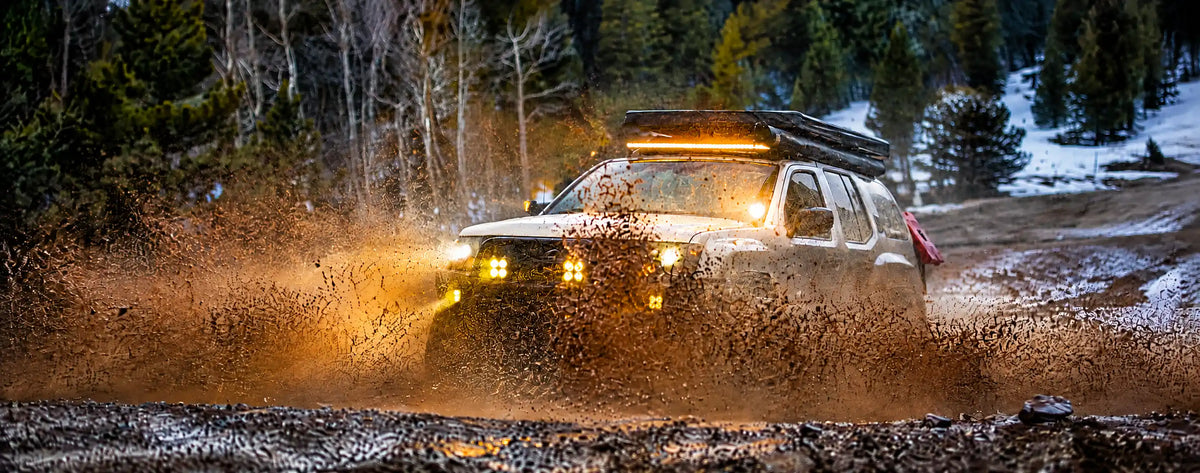

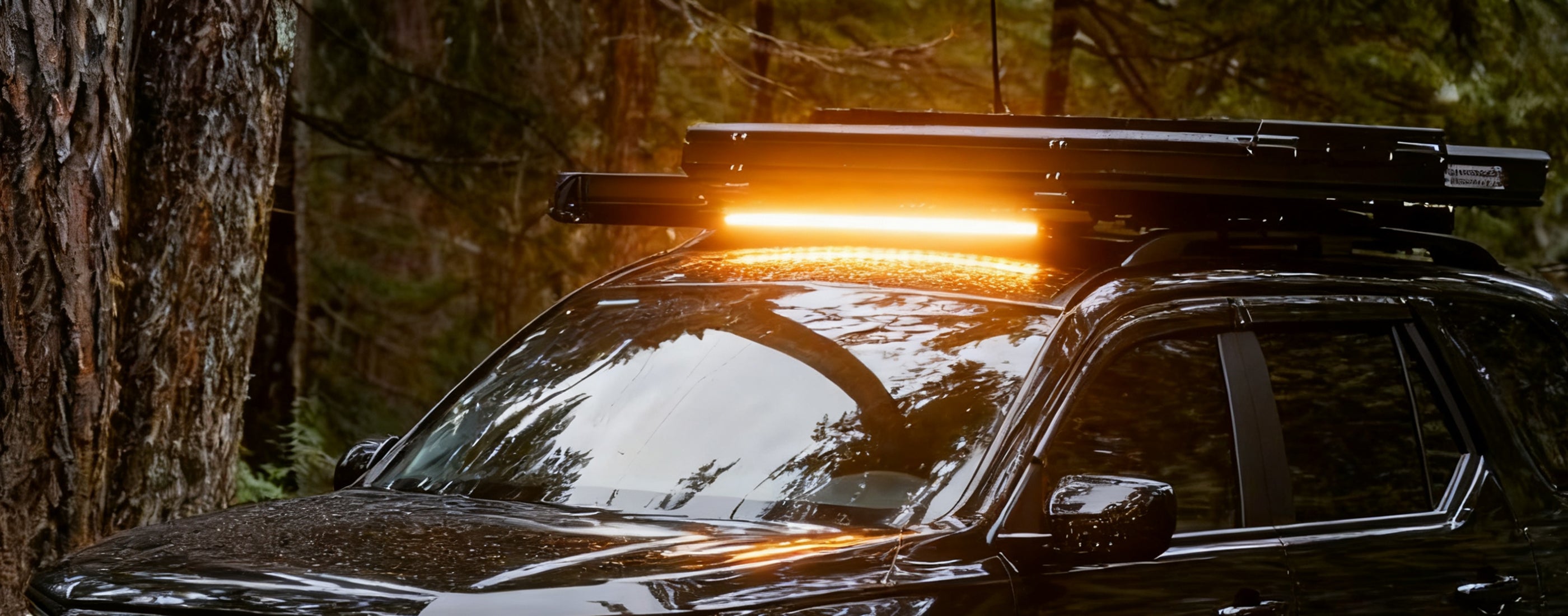

LED Bar--The ultimate lighting solution for off-road adventures.
Search By Year, Make and Model
8-10 Inch LED Light Bars


12-16 Inch LED Light Bars

18-22 Inch LED Light Bars


28-32 Inch LED Light Bars


48-52 Inch LED Light Bar
With the two side stand bracket, it's about 50-inches long


53-Inch LED Light Bar
53-Inch Customized Combination HALO series LED Light Bar


See Them Running
How to choose a light bar
Why light bar sizes don't line up between brands
There is no industry standard for how a light bar's length is measured. Some brands quote the housing on its own; others quote it with the end brackets fitted, which adds about an inch. The same bar gets sold as an 8-inch by one brand and a 10-inch by another.
So measure your mounting space, then check the actual figure rather than the name on the box. Ours, housing only:
- 8.86" housing — 10" with brackets
- 12.48" — 13.5" with brackets
- 19.72" — 20.7" with brackets
- 30.59" — 32.3" with brackets
- 37.83" — 38.8" with brackets
- 48.70" — 50.4" with brackets
Every bar is 2.80" tall and 1.63" deep, so if one fits your bracket spacing, they all do.
What length do I need?
Length is set by where it mounts, not by how much light you want.
- Under 13" — bumper, grille, or A-pillar pairs. Fits where a full-width bar won't.
- 20–32" — the usual bumper or hood bar on a mid-size truck.
- 38–50" — roof line on a full-size truck, Jeep or UTV cage.
A long bar on a roof throws light further down the trail; the same bar on a bumper lights the dust in front of you. Higher is farther.
Do I have to pick white or amber?
No — both series give you both. How they get there is the real choice.
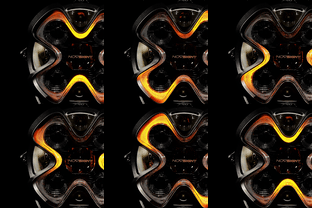
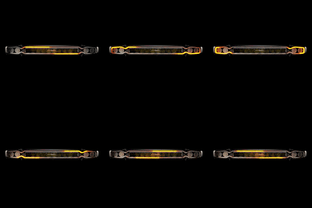
Rock Series builds the amber into the bar: half the diodes in a dual-color bar are amber, and the switch on the harness runs white, amber, or both at once. You change the beam from the driver's seat, mid-trail, without stopping.
HALO Series keeps the diodes white and puts the amber in a shield cover that fits over the lens. The covers are in the box and replacements are sold separately. You fit them before a dusty run and pull them off for a clear night.
Either way, amber earns its place the same way: it scatters less off dust, fog and falling snow, so it lights the trail instead of bouncing back at you. Same reason fog lights are yellow.
Check your local rules before running colored beams on public roads.
Single row or double row?
These are all single row. A single row of LEDs behind one lens throws a tighter, longer beam and sits in a slimmer housing — which is what you want on a roof line or inside a grille opening.
Double-row bars put out more total light in a shorter length, but they're taller, catch more wind, and spread that light closer to the truck. For distance, single row wins.
Curved or straight?
These bars are straight. A curved bar follows the roof line of some trucks more closely and wraps its light a little wider at the edges; a straight bar concentrates the same output further down the trail and mounts flat on more surfaces.
If your mounting point is flat — most bumpers, grilles and roof racks — straight is the simpler answer.
What's in the box?
- Wiring harness — 118 inch, 14 AWG, with the double control switch that selects white, amber or both.
- Mounting hardware — side brackets and a bottom bracket in die-cast aluminum, with screws, washers and a hex wrench.
- IP68 housing — submersible, not just splash-resistant. That's the rating that matters on a bumper.
- 9–36V input — works on 12V trucks and 24V rigs, and tolerates the voltage drop when the winch pulls.
What does one cost?
Dual-beam bars run $183.89 for the 8-inch up to $500.09 for the 48-inch, harness and brackets included.
The single-beam white bars are the outgoing series and are being cleared at a discount. Only the 30, 38 and 48-inch are left — once they're gone, dual beam is the whole line.
FAQ
Are these LED Light Bars suitable for my car?
Yes, it's suitable for the vast majority of cars.
However, you need to confirm the location where you want to install it, and the overall length of the light bar should not exceed the location where you want to install it.
As long as you have the right bracket, you can connect it to the car's positive and negative terminals using our connector cable and mount it wherever you want(if location is right).
Off-road Light Bar Installation and Tutorials
Each of our off-road light products comes with detailed Installation tutorial videos and professional guidance to help you install it. We also collaborate with many excellent car modification enthusiasts who share installation tips on YouTube; feel free to check them out!
About Shipping Policy
Yes, we offer almost worldwide shipping. However, for countries other than the US, CA, and AU, shipping fees will apply and will be displayed at checkout. Additionally, you may be required to pay customs duties after the product has been shipped. This will depend on the policies of your country or region. Customs duties are not collected by us, so please understand.
Product Warranty Policy
Our different product Series have different warranty policies.
Our best-selling HALO and Cyber Series have a 2+3 year warranty. The N70 Series and N60 LED Headlight Bulbs have a 1+1 year Warranty. However, the specific warranty details vary depending on the product series. However, we offer 30-Day Hassle-Free Returns. Conditions apply — see our return policy.
How long will it take to get my orders?
It depends on where you are. Processing takes 1-2 business days. Delivery time depends on your region — see our Shipping Fee page. Overseas delivery time depends on your region — see our Shipping Fee page. Delivery details will be provided in your confirmation email.
Do you ship overseas?
Yes, we offer almost worldwide shipping. However, for countries other than the US, CA, and AU, shipping fees will apply and will be displayed at checkout. Additionally, you may be required to pay customs duties after the product has been shipped. This will depend on the policies of your country or region. Customs duties are not collected by us, so please understand.
Any question?
You can contact us through our customer service page! We will be happy to assist you.