

Finding the Perfect Fit: What Size Light Bar Do I Need?
Whether you are building a dedicated rock crawler, prepping an overlanding rig for weekend camping trips, or just looking for better visibility on dark rural roads, upgrading your vehicle with auxiliary lighting is a game-changer. But as you start browsing, you will quickly face a crucial question: what size light bar do I need?
Choosing the right size is not just about aesthetics; it is about matching your vehicle's physical dimensions, your mounting locations, and your specific lighting goals. Selecting a bar that is too large can lead to mounting headaches, while one that is too small might leave you wishing for more coverage. In this guide, we will break down the ideal sizes for every mounting zone on your vehicle, from the front bumper up to the roofline, to help you build the ultimate lighting setup.
Light Bar Sizing by Mounting Location
When planning your layout, it helps to understand that different areas of your vehicle accommodate different sizes of light bars. Here is a breakdown of where various sizes fit best on a typical truck, Jeep, or SUV.

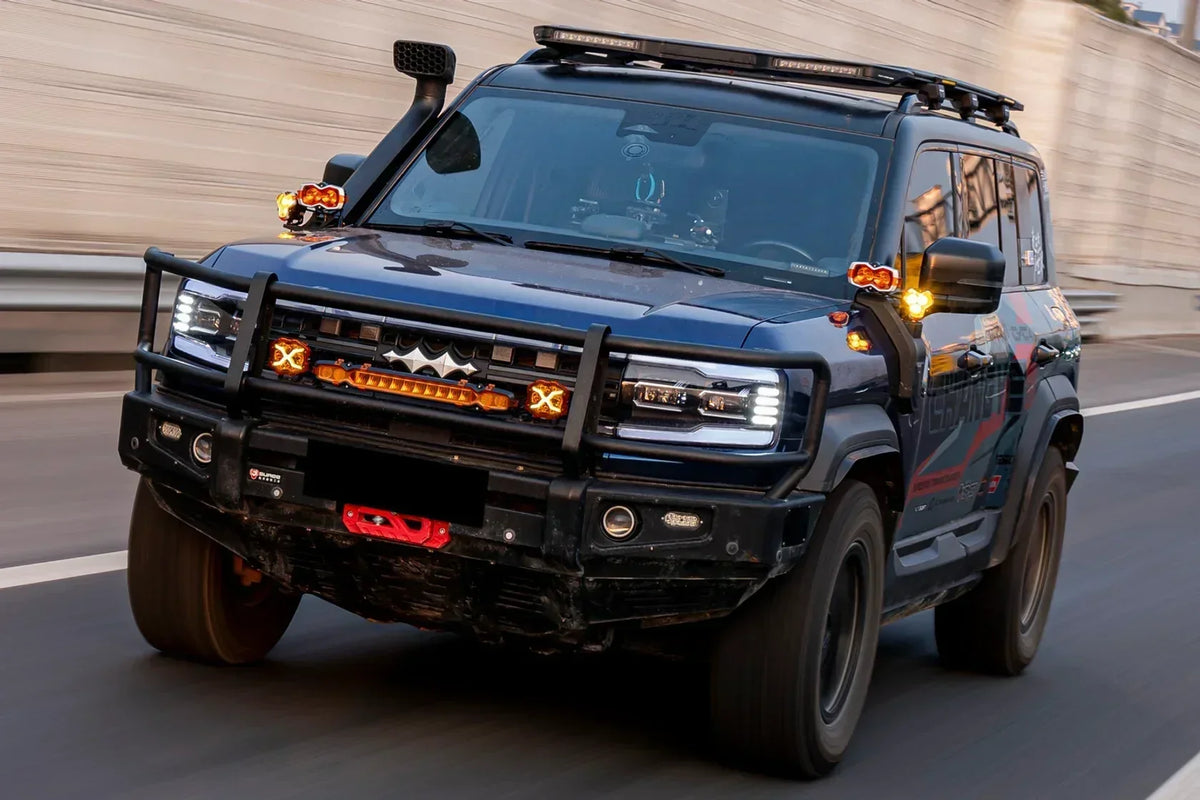
1. Front Bumper & Bull Bars (8-inch to 20-inch)
The front bumper is one of the most popular starting points for auxiliary lighting. It keeps the light low to the ground, which minimizes glare on your hood and helps cut through dust or light fog. For this area, smaller to medium-sized bars are ideal.
- 8-inch Light Bars: These compact bars are perfect for tight spaces. They fit beautifully inside recessed bumper openings, on small bull bars, or even mounted in pairs on your front grille.
- 20-inch Light Bars: This is the sweet spot for most standard front bumpers and center bull bar cutouts. A 20-inch bar provides an excellent balance of wide-angle flood lighting and forward spot projection without overwhelming the front end of your vehicle.
2. Grille & Hood Line (20-inch to 30-inch)
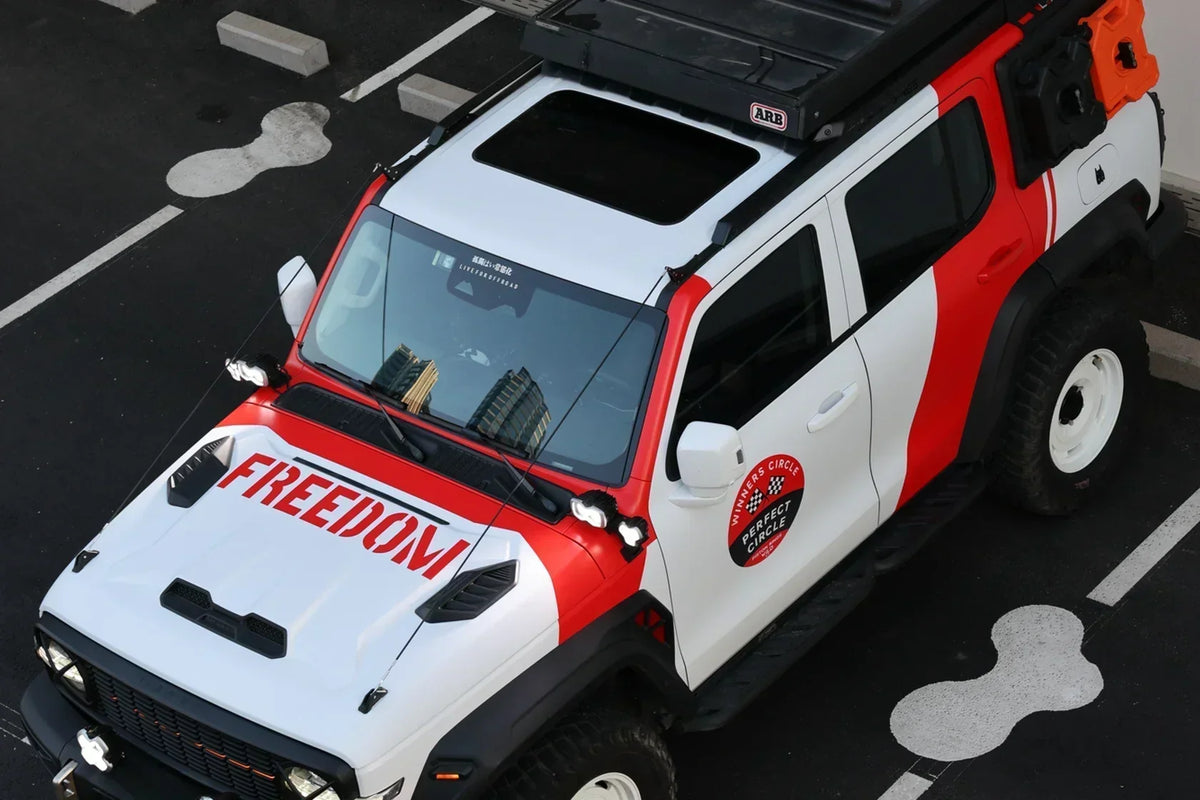
If you want a stealthy look or want to protect your light from trail debris, mounting a light bar behind or directly onto your grille is a popular strategy. Alternatively, hood-line mounting brackets let you secure a light bar just in front of your windshield cowl.
- 20-inch to 30-inch Light Bars: These mid-sized bars fit perfectly across the width of most pickup truck and SUV grilles. A 30-inch bar mounted on the hood line or integrated into the grille offers a clean, integrated look while throwing massive amounts of light downrange.
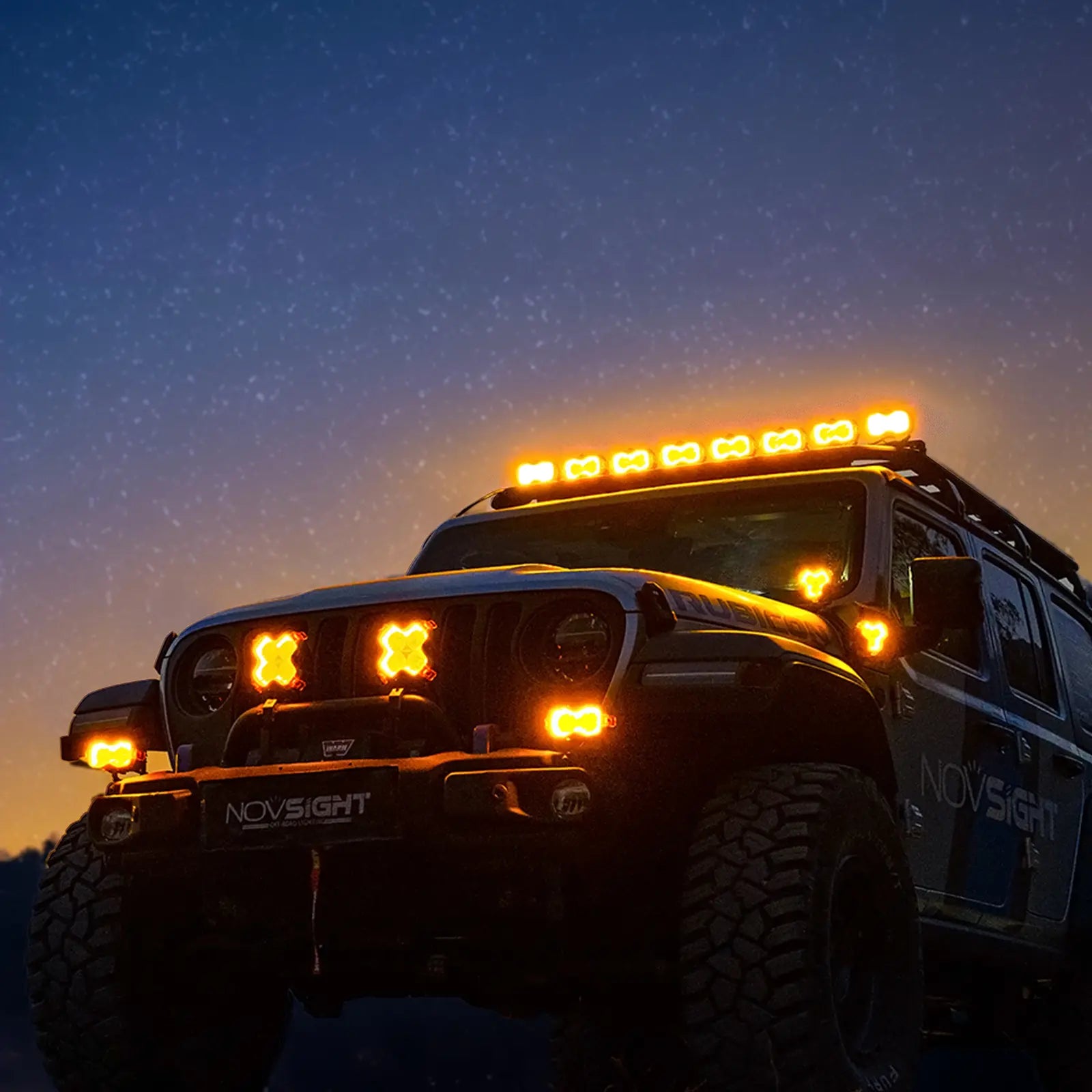
3. Roof Racks & Above the Windshield (38-inch, 48-inch, and 52-inch)
For maximum distance and wide-trail illumination, you need to go big and go high. Mounting a large light bar on a roof rack or directly above the windshield gives you the ultimate bird's-eye view of the terrain ahead. This is where large-format bars shine.
- 38-inch to 48-inch Light Bars: These sizes are excellent for mid-sized trucks, compact SUVs, and narrower roof rack systems. They provide full-width coverage without hanging over the edges of your roofline.
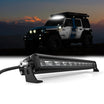
- 52-inch Light Bars: The classic 52 inch bar is the king of the roof mount. It is the perfect size for full-sized trucks, wide SUVs, and built-out Jeep Wranglers. Spanning the entire width of the windshield, a 52-inch bar turns night into day, making it the ultimate tool for high-speed desert running or deep-woods exploration.
Explore our premium, rugged options in the Novsight LED light bar collection, which features a full spectrum of sizes from compact 8-inch utility lights to the massive 52-inch roof-mount powerhouses.
Crucial Mounting Rules: Where NOT to Put a Light Bar
While light bars are incredibly versatile, there are strict rules about where they should and should not be mounted. A common mistake among off-road beginners is trying to mount small light bars on the A-pillar (the frame on either side of the windshield) to act as ditch lights.

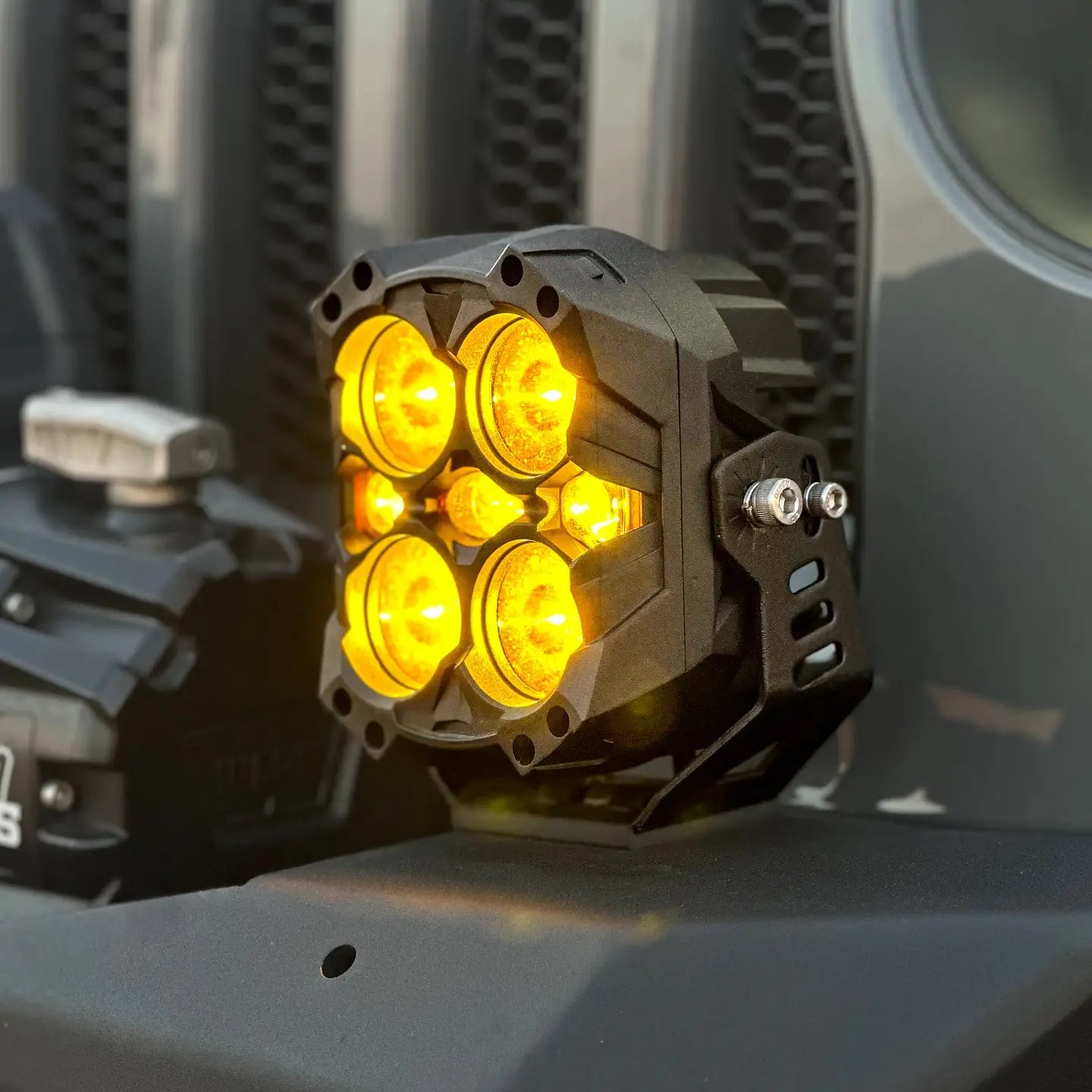
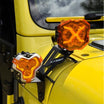
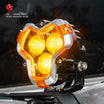
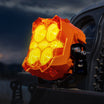
Light bars are NEVER mounted on the A-pillar or used as ditch lights. Regardless of the bar size, a light bar on the A-pillar will cause severe hood glare, blocking your vision rather than helping it, and will look out of place. Ditch lighting is exclusively the job of small, angled pod or cube lights, which are engineered specifically to cast a localized beam off to the sides of your vehicle without reflecting off your hood.
Understanding Light Bar Configurations
Once you have selected the right length, you will need to choose between single-row and dual-row designs, as well as the right beam pattern for your driving needs.

| Feature / Spec | Single-Row Light Bars | Dual-Row Light Bars |
|---|---|---|
| Profile & Aesthetics | Sleek, low-profile, aerodynamic | Aggressive, traditional off-road look |
| Wind Noise | Lower wind resistance and noise | Slightly higher wind resistance |
| Beam Patterns Available | Spot, Flood, or Combo | Spot, Flood, or Combo |
| Mounting Versatility | Fits easily in tight grille and bumper gaps | Best for open areas like roof racks and bumpers |
Depending on where you drive, you will also want to select the right beam pattern:
- Spot Beam: A narrow, focused beam designed to throw light as far down the trail as possible. Ideal for high-speed driving.
- Flood Beam: A wide, dispersed pattern that illuminates the immediate surroundings, tree lines, and trail edges.
- Combo Beam: The best of both worlds. It combines spot optics in the center with flood optics on the outer edges to give you both distance and wide-angle peripheral vision.
Real Specs That Actually Matter
When comparing light bars, do not get tricked by cheap no-name brands advertising inflated, impossible raw lumen numbers. Instead, look for honest, real-world measurements and robust build quality. Here is what you can expect from high-quality engineering:
- Honest Measured Output: Real-world outputs range from a focused 4,800 lumens on smaller utility bars up to an incredibly bright 22,500 lumens on heavy-duty 52-inch bars.
- Power Consumption: Power draws range from 30W for compact bars up to 390W for the largest roof-mounted models, depending on the length.
- Wide Voltage Range: High-quality bars operate on a 9-36V range, ensuring compatibility with standard 12V automotive systems and heavy-duty 24V overland builds.
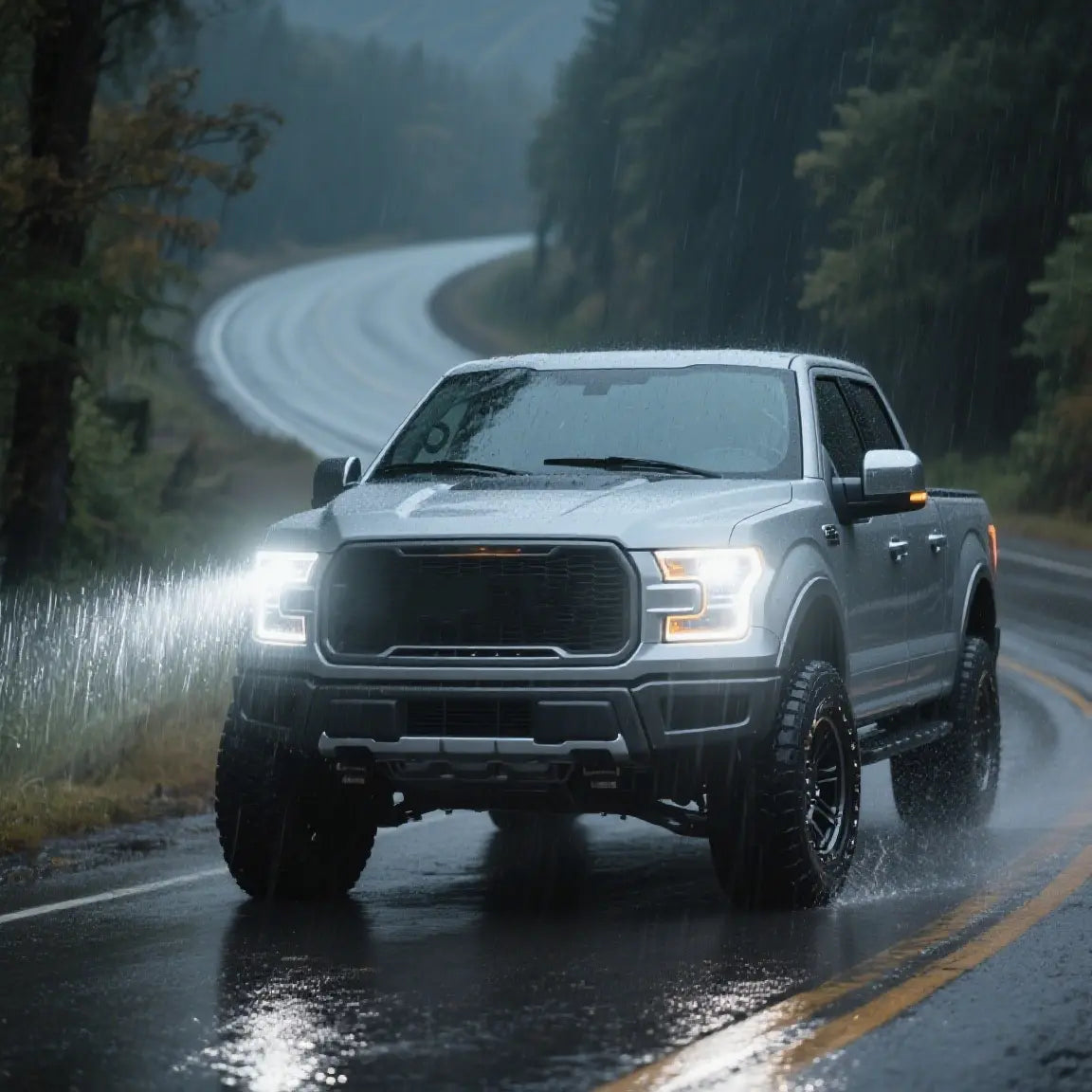
- IP68 Waterproof Rating: This means the bar is completely dust-tight and can handle continuous submersion in water, giving you peace of mind during deep water crossings or heavy downpours.
- Durable Construction: Look for a rugged aluminum housing designed to dissipate heat efficiently, and ensure the package includes heavy-duty mounting brackets for a secure, vibration-free installation.
Frequently Asked Questions
Can I mount a small light bar on my A-pillar?
No. Light bars should never be mounted on the A-pillar or used as ditch lights. Doing so causes extreme hood glare that can dangerously impair your night vision. For ditch lights, you should exclusively use dedicated pod or cube lights angled outward.
What is the best light bar size for a Jeep Wrangler windshield mount?
The standard and most popular size for a Jeep Wrangler or full-sized truck windshield mount is a 52 inch light bar. It spans the width of the roofline perfectly and provides maximum trail illumination.
Is a single-row or dual-row light bar better?
It depends on your mounting location and aesthetic preference. Single-row light bars are slim, aerodynamic, and produce less wind noise, making them excellent for roof racks and tight grille spaces. Dual-row light bars offer a more classic, rugged look and often pack a dense cluster of LEDs for maximum light output in open mounting areas like front bumpers.


Leave a comment
All comments are moderated before being published.
This site is protected by hCaptcha and the hCaptcha Privacy Policy and Terms of Service apply.