

Illuminating the Night: The Great Light Bar Dilemma
When you are airing down your tires at the trailhead as the sun dips below the horizon, you realize one thing: stock headlights simply won't cut it. To navigate dark forest service roads, rocky desert trails, or remote campsites safely, an auxiliary light source is essential. As you begin your search for the perfect setup, you will inevitably face a classic debate: the single row vs dual row light bar.
Both configurations offer distinct advantages depending on your vehicle's build, aesthetic preferences, and lighting needs. In this comprehensive guide, we will break down the differences in design, beam patterns, mounting options, and performance to help you make an informed decision for your off-road rig.
What Is a Single-Row LED Light Bar?
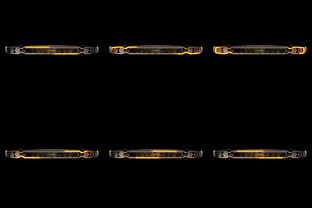
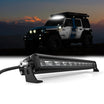
A single-row LED light bar features a single horizontal line of high-powered light-emitting diodes (LEDs). Because they use only one row of optics, these light bars have a slim, low-profile design. Typically ranging from 1.5 to 2 inches in height, they are engineered to blend seamlessly into modern vehicle body lines.

Key Benefits of Single-Row Bars:
- Low Profile and Sleek Aesthetics: They offer a stealthy, clean look that does not disrupt the factory appearance of your vehicle.
- Reduced Wind Noise: Thanks to their slim profile, they create less aerodynamic drag, which translates to minimal wind whistle when mounted on roof racks or above the windshield.
- Versatile Mounting: Their compact height allows them to fit into tight spaces where dual-row bars simply cannot squeeze, such as behind grilles, inside narrow bumper gaps, or along the hood line.
What Is a Dual-Row LED Light Bar?
A dual-row LED light bar houses two stacked rows of LEDs within a larger, more robust housing. These bars are taller, usually measuring 3 to 4 inches in height, and deliver a classic, rugged off-road appearance that screams utility.

Key Benefits of Dual-Row Bars:
- Maximum Light Density: By stacking two rows of LEDs, these bars pack more light-emitting power into the same horizontal length.
- Robust Off-Road Look: For drivers who love the traditional, muscular look of a heavily modified overland rig, a dual-row bar is the quintessential choice.
- Wide Beam Coverage: The extra row allows for a highly effective blend of optics, making them excellent candidates for casting a massive wall of light.
Performance Breakdown: Output, Optics, and Beam Patterns
The primary technical difference when analyzing a single row vs dual row light bar comes down to raw output and how that light is projected. To get the most out of your auxiliary lighting, you need to understand how these configurations utilize spot, flood, and combo beam patterns.
A spot beam projects a narrow, concentrated beam of light over an extreme distance, perfect for high-speed desert driving. A flood beam spreads light wide and short, illuminating the trail shoulders and immediate surroundings. For most off-roaders, the ultimate setup is a combo beam. This pattern combines spot optics in the center for long-range visibility with flood optics on the outer edges to light up your periphery.
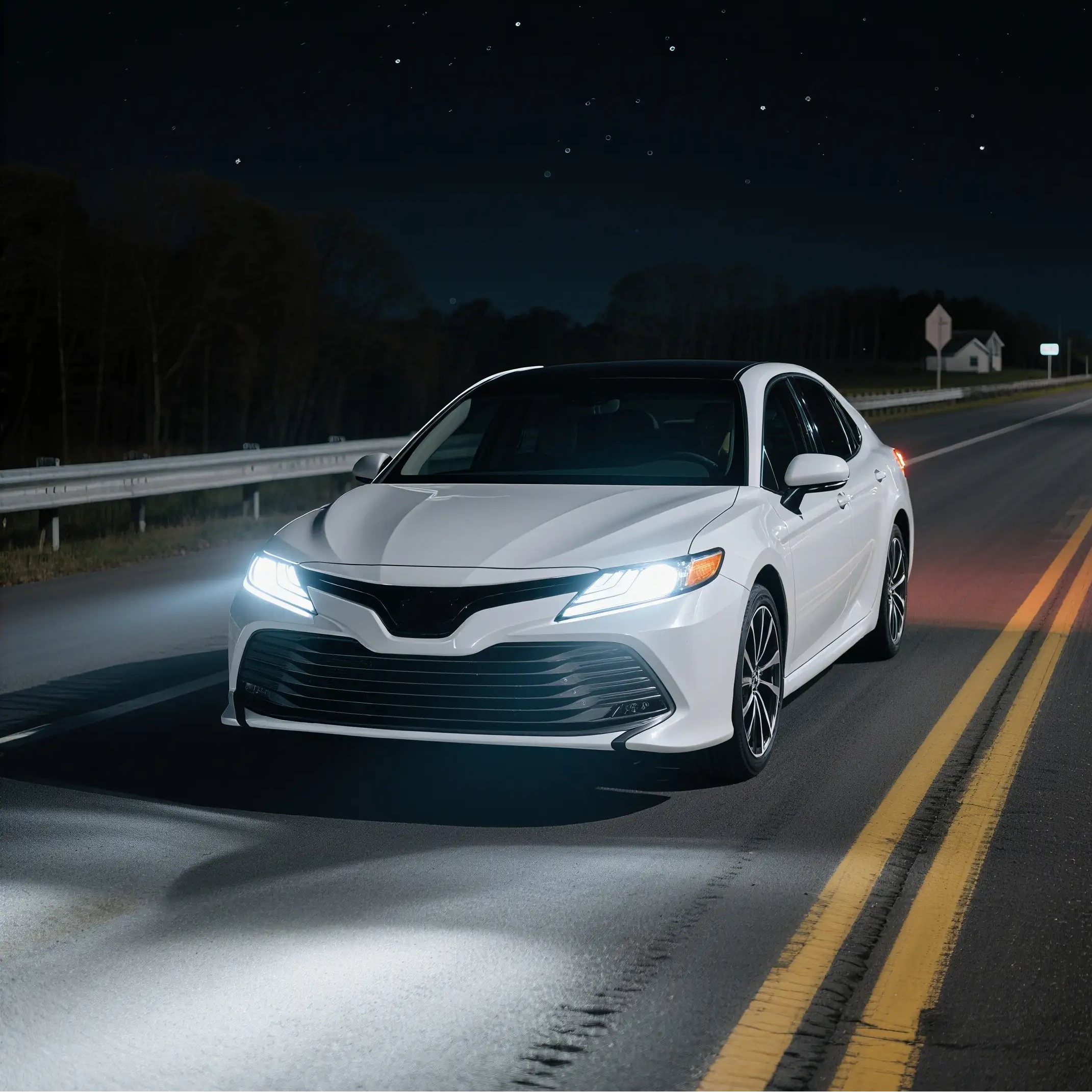
Because dual-row bars have twice the physical space for optics, they can throw a wider and taller beam of light. However, modern single-row bars utilize highly efficient, advanced optics to maximize every lumen, throwing a focused, laser-like beam that reaches incredibly far down the trail. When looking at high-quality options like Novsight LED light bars, you can find both single-row and dual-row options designed to output a real, measured 4,800 to 22,500 lumens depending on the length you choose. Ranging in power from 30W to 390W, these bars deliver honest, non-inflated performance that cuts through the pitch black.
Where Can You Mount Your LED Light Bar?
Before making a purchase, you must consider where you plan to install your new light bar. The physical size and shape of the bar dictate where it can safely and securely live on your vehicle. Common mounting locations include:

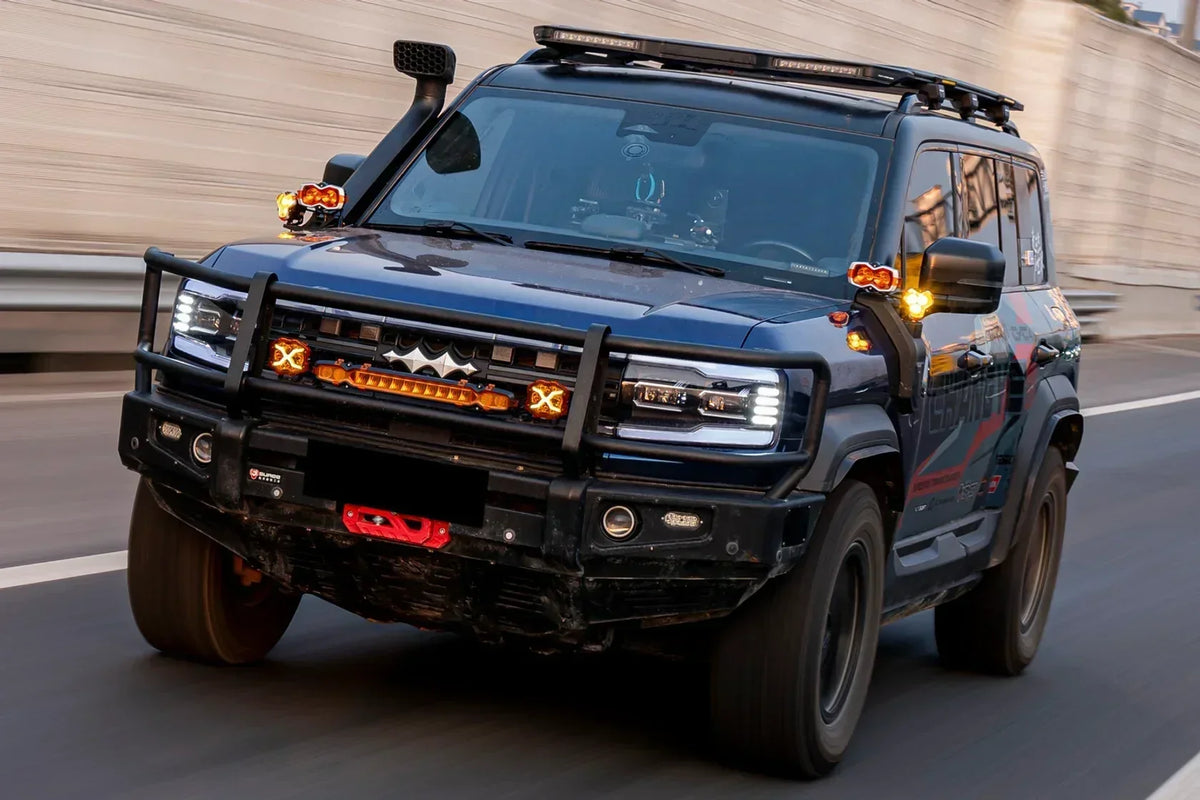
- Front Bumper or Bull Bar: Excellent for both single and dual-row bars. A dual-row bar mounted on a bumper provides massive mid-range illumination directly in front of the vehicle.
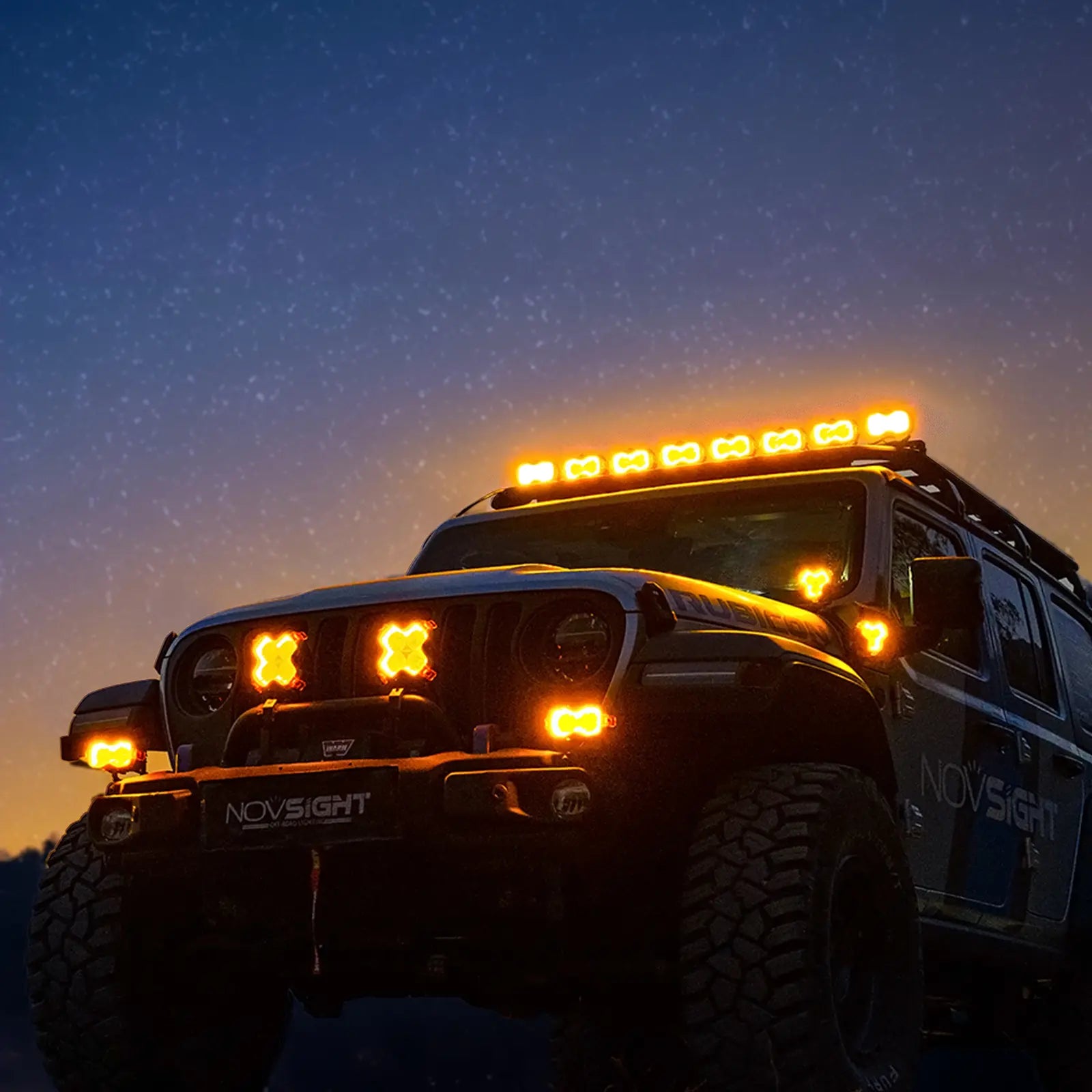
- Grille and Hood Line: The low profile of a single-row bar makes it the perfect candidate to tuck behind a factory grille mesh or mount directly along the hood line without blocking your field of view.
- Roof Rack or Above the Windshield: Both styles work here. However, if you are sensitive to wind noise or roof-rack vibration, a single-row bar is highly recommended for its superior aerodynamics.
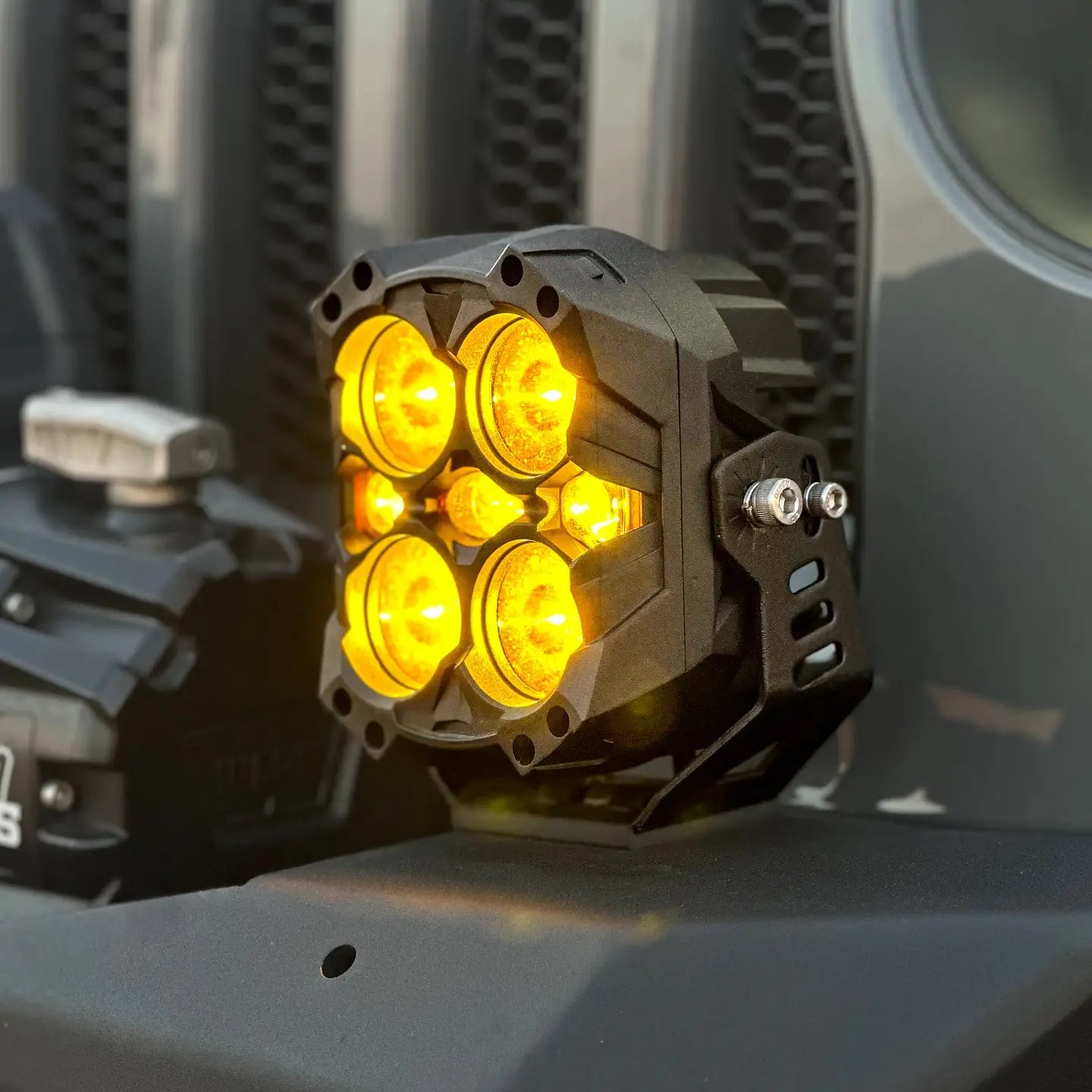
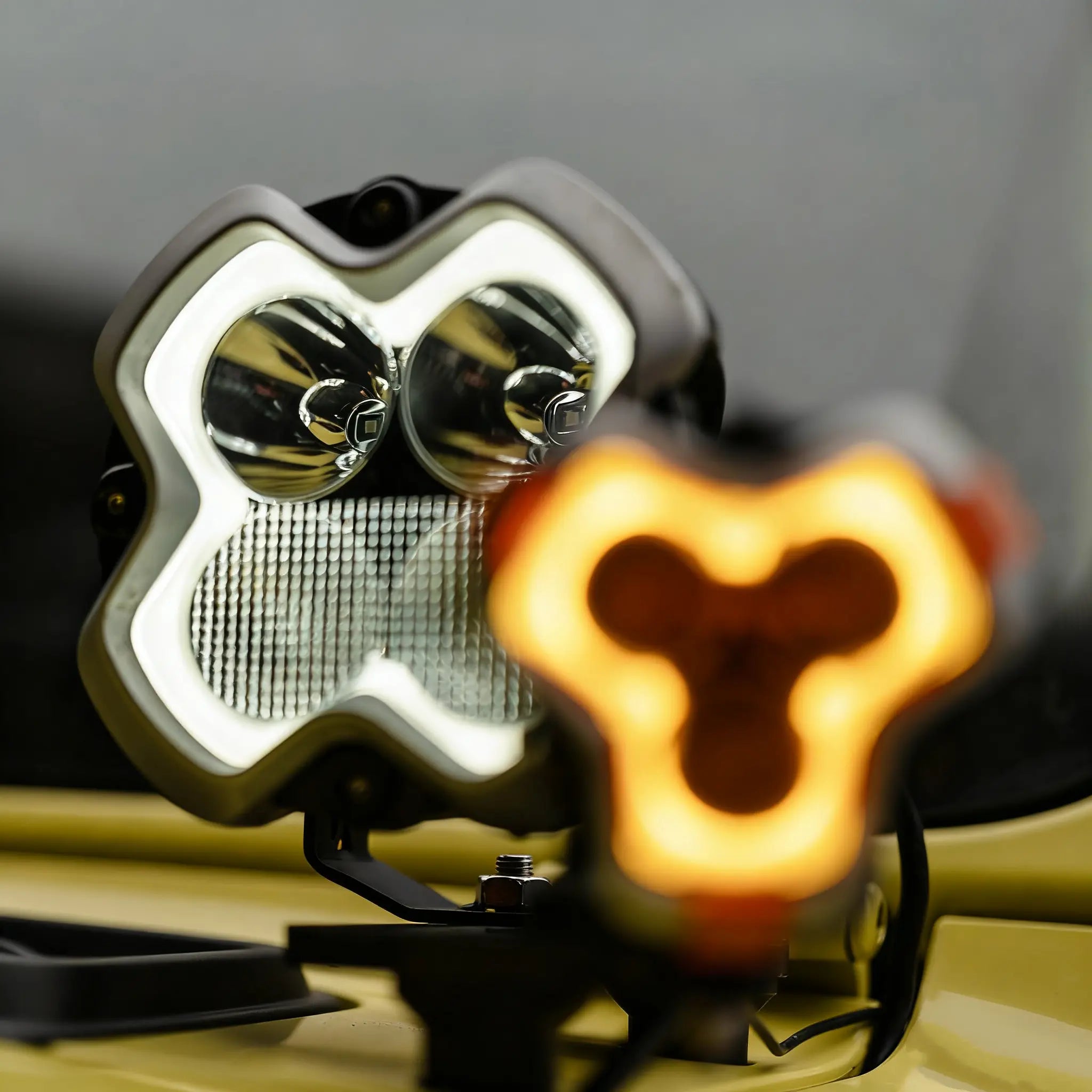
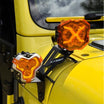
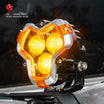
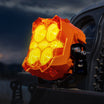
Important Mounting Fact: While light bars are incredibly versatile, they are designed for forward-facing or rear-facing broad illumination. Light bars should be mounted on the front bumper, bull bar, grille, hood line, roof rack, or above the windshield. They are never mounted on the A-pillar or used as ditch lights. For angled side-trail illumination (ditch lighting), you should exclusively use compact pod or cube lights.
Single-Row vs. Dual-Row: Direct Comparison
To help you decide, let's look at how these two configurations stack up across key categories:
- Aesthetics: Single-row is modern, stealthy, and integrated. Dual-row is traditional, rugged, and aggressive.
- Wind Resistance: Single-row has minimal wind noise and drag. Dual-row has higher wind resistance and potential for whistling at highway speeds if mounted on the roof.
- Lumens-to-Size Ratio: Dual-row offers higher raw lumen output per inch of bar length. Single-row offers highly focused, efficient output with a smaller physical footprint.
- Mounting Flexibility: Single-row fits in tight gaps (grilles, bumper cutouts). Dual-row requires open mounting spaces (bumpers, roof racks).
Choosing the Right Setup for Your Adventures
If you are a weekend camper who primarily drives on highways to reach well-maintained forest service roads, a single-row LED light bar is likely your best bet. It keeps your daily driver looking clean, minimizes wind noise on long road trips, and still provides more than enough light to set up camp in the dark.
On the other hand, if you are a dedicated overlander tackling technical, slow-speed trails at night, or a high-speed desert runner who needs to see hundreds of yards ahead, the raw power of a dual-row bar is hard to beat. The massive spread of a dual-row combo beam ensures you spot low-hanging branches, trail washouts, and wildlife long before they become a hazard.
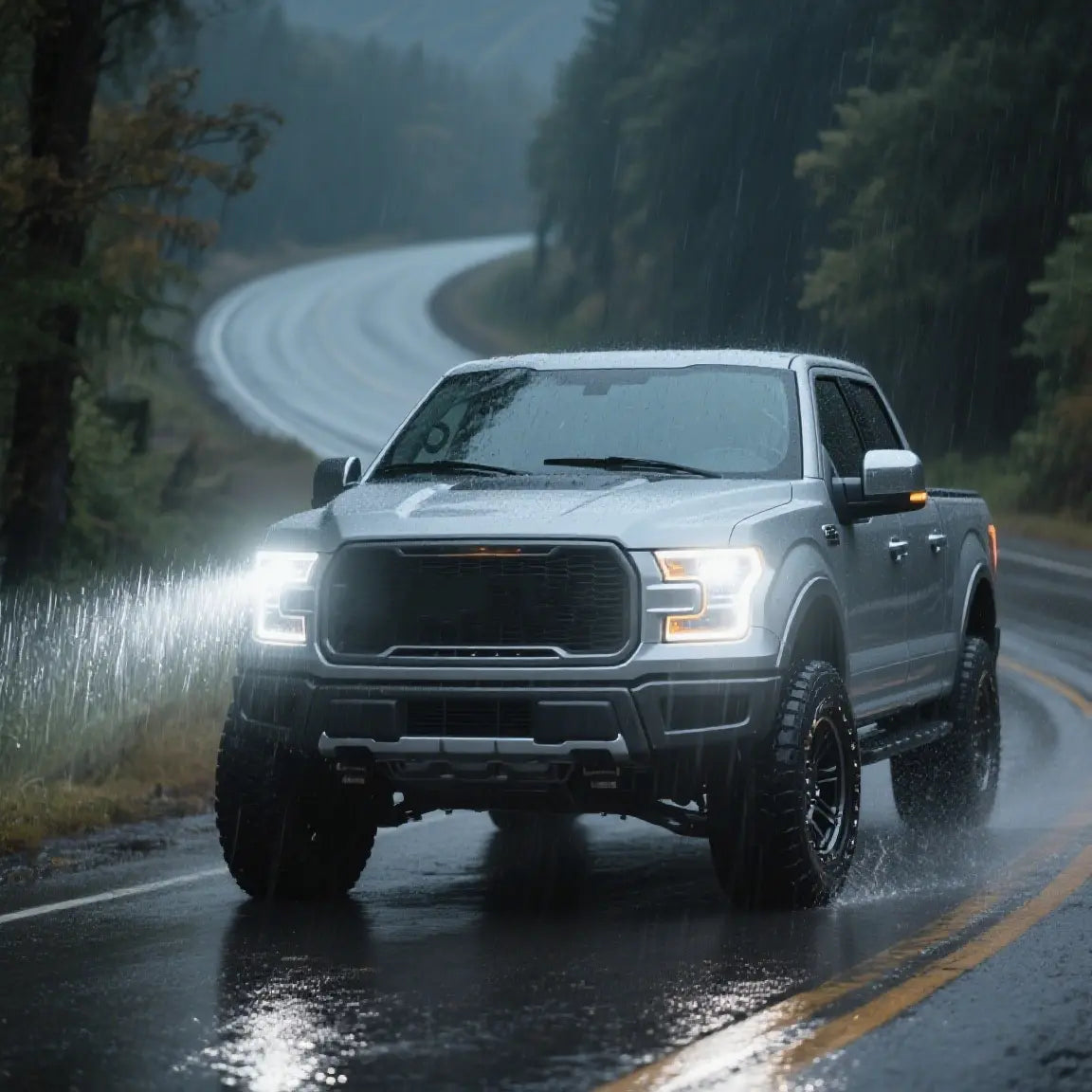
When choosing, look for quality construction that can survive the elements. Reliable brands build their housings with durable aluminum, feature an IP68 waterproof rating to withstand deep water crossings or heavy downpours, and support a wide voltage range of 9-36V to work with various vehicle electrical systems. Each light bar should also come complete with robust mounting brackets to ensure it stays locked in place no matter how rough the trail gets. Novsight offers a versatile lineup of sizes including 8, 20, 30, 38, 48, and 52 inches, allowing you to find the exact fit for your bumper, grille, or roof rack.
Frequently Asked Questions
Do dual-row light bars make more noise than single-row light bars?
Yes, generally. Because dual-row light bars have a larger surface area, they create more aerodynamic drag. When mounted on a roof rack or above the windshield, this can lead to noticeable wind noise or whistling at highway speeds. Single-row bars are much quieter due to their slim profile.
Which beam pattern is best for trail riding?
For general trail riding and overlanding, a combo beam pattern is highly recommended. It combines the long-distance projection of a spot beam with the wide-angle coverage of a flood beam, giving you the best of both worlds so you can see both far down the trail and directly off to the sides.
Can I mount a small light bar as a ditch light?
No. Light bars, regardless of their size, are not designed for A-pillar or ditch light mounting. Their physical shape and beam spread are meant for forward-facing illumination. For ditch lights, you should always use dedicated pod or cube lights mounted on specialized A-pillar brackets.

Leave a comment
All comments are moderated before being published.
This site is protected by hCaptcha and the hCaptcha Privacy Policy and Terms of Service apply.